RIC Instrument

RIC Instrument – Stretta RIC Instrument (913) | Japebo

If you’re looking for a Stretta RIC Instrument, you’re in the right place. This page helps you understand what the Stretta RIC Instrument is, how compatibility works (including references such as 913), and how to choose the correct option so your hearing aid sits comfortably and performs as intended.

What is a Stretta RIC Instrument?
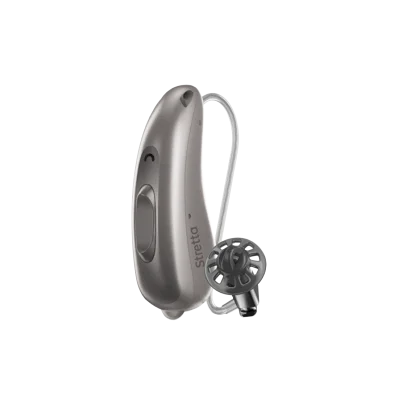
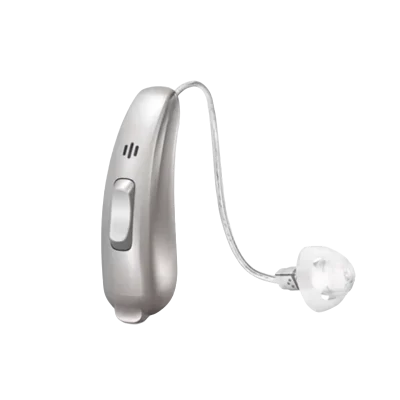
A RIC Instrument (Receiver-in-Canal instrument/receiver unit) is the part used in RIC-style hearing aids that carries the sound output to the ear. It typically connects to the hearing aid body and places the receiver close to or inside the ear canal (often used together with a dome or earmold). Choosing the correct Stretta RIC Instrument matters for:

Sound quality (clear output without distortion)
Comfort and fit (correct side and length)
Stable connection (reducing dropouts and intermittent sound)

Compatibility: how to know if this Stretta RIC Instrument fits your hearing aid
RIC Instruments are not universally interchangeable. Even if they look similar, compatibility depends on the connector type, the receiver family, and sometimes an internal reference or article code (such as 913).
To confirm you’re selecting the correct Stretta RIC Instrument:

Check your current part: look for markings, printed codes, or packaging references (e.g., “913”).
Match the brand/family: select a RIC Instrument specifically listed for Stretta.
Compare the connector: the plug/connection to the hearing aid must match exactly.
Confirm side and length: left/right and wire length must suit your ear and device setup.

If you’re unsure, compare the code on your existing RIC Instrument or packaging and match it to the product details shown on the product listing. When in doubt, choose based on what is currently installed in your hearing aid.

How to choose the correct Stretta RIC Instrument
When selecting a Stretta RIC Instrument, focus on these factors:

1) Left or right
RIC Instruments are usually side-specific. Choosing the correct side ensures the wire routing sits naturally behind the ear and the receiver/dome sits securely in the canal.

2) Wire/receiver length
Length affects comfort and retention. Too short can pull the receiver outward; too long can cause the wire to loop and reduce stability. The best approach is to match the length printed on your current unit (if available) or reorder the same length you already use.

3) Power/output level (if applicable)
Some RIC Instruments come in different output levels. If your current setup works well, select the same type/output as the one you’re replacing. Changing receiver strength can affect sound and may require adjustment by a hearing care professional.

Common issues that indicate you may need a new Stretta RIC Instrument

No sound or intermittent sound (especially when moving the wire or touching the connection)
Distorted or weak output even after cleaning and changing wax protection
Physical damage to the wire, receiver housing, or connector
Poor fit after the wire has stiffened or been bent repeatedly

Before replacing the RIC Instrument, it can be worth checking whether the issue is caused by a blocked dome or wax protection. If cleaning and replacing wax protection doesn’t restore sound, the RIC Instrument is a common next step.

Tips for replacement and everyday care

Handle the connector gently to avoid bending pins or stressing the plug.
Keep it dry: moisture is a frequent cause of receiver problems.
Replace domes and wax protection regularly to reduce strain on the receiver.

Buy Stretta RIC Instruments online
Order your Stretta RIC Instrument here to restore stable sound and fit. If the reference 913 matches your current part or the product specifications, it’s a strong sign you have the right option. For best results, match side, length, and any markings to your existing unit.

FAQ – Stretta RIC Instrument
What does “RIC Instrument” mean?
It refers to the receiver unit used in RIC-style hearing aids, where the receiver sits near/in the ear canal and connects to the hearing aid body via a thin wire.

What does the code “913” refer to?
“913” is commonly used as a reference/article identifier in product systems or packaging. If your current part or packaging shows 913 and the product listing also specifies 913, it helps confirm you’re selecting the same compatible Stretta RIC Instrument.

Can I use a different brand’s RIC Instrument with Stretta?
Usually not. RIC Instruments are connector- and family-specific. To avoid fit and function issues, choose a Stretta-compatible RIC Instrument.

Should I replace the RIC Instrument or just the dome/wax protection?
If sound issues are caused by blockage, replacing the dome or wax protection may solve it. If the issue persists (especially intermittent sound or distortion), replacing the RIC Instrument is often the next step.