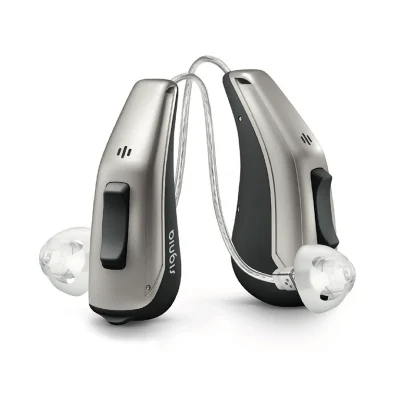
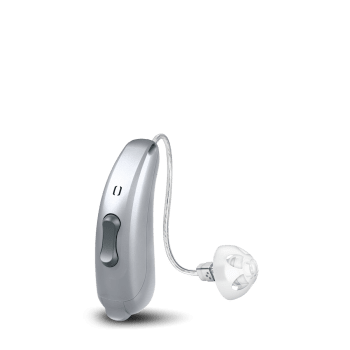
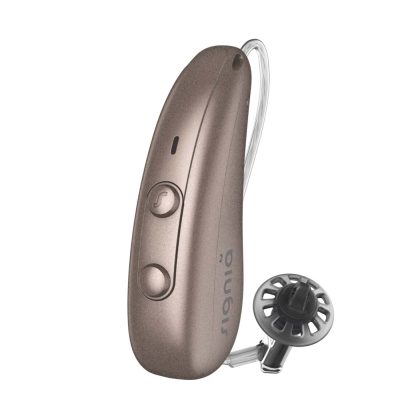
RIC Instrument

RIC Instrument accessories & compatibility guide | Japebo

Looking for RIC Instrument accessories and not sure which parts fit your hearing aids? This guide explains what RIC Instrument (Receiver-in-Canal) components are, how RIC Instrument compatibility typically works, and how to choose the correct replacement parts—so you can order with confidence.

What “RIC Instrument” means (and why accessories must match)
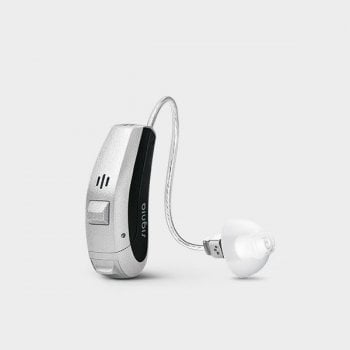
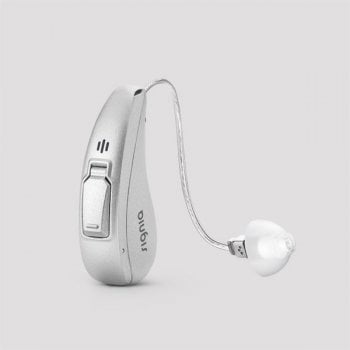
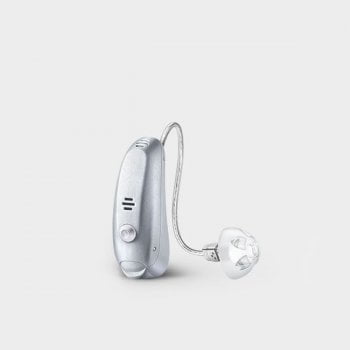
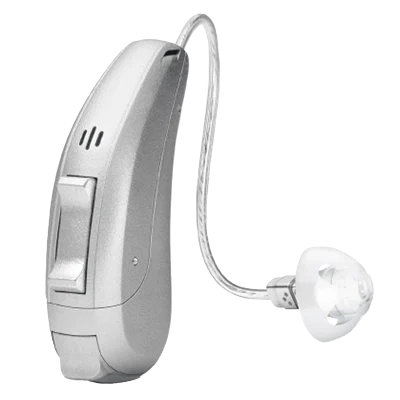
RIC stands for Receiver-in-Canal. In a RIC setup, the speaker (receiver) sits in the ear canal, connected to the hearing aid by a thin wire. Because the receiver and the ear-coupling parts are modular, RIC hearing aids use several replaceable accessories—most importantly:

Domes / ear tips (the soft tip that sits in your ear)
Receivers (the speaker unit, often replaceable by length and power level)
Wax filters / guards (protect the receiver opening from earwax)
Retention locks (helps keep the dome in place, on some receiver types)

Even if something “looks right”, small differences in receiver platform, dome system, or wax guard type can make an accessory incompatible. The goal is to match what your RIC Instrument hearing aid is designed to use.

Which RIC Instrument hearing aids use these parts?
RIC accessories are used by many RIC-style hearing aids across different product lines. However, compatibility is usually determined by the receiver platform and the ear-coupling system your device uses—not simply by the fact that it is RIC.
If you are unsure, the fastest way to identify what you need is to check:

The exact model name of your hearing aid
The receiver label (often includes length and power, e.g. 1/2/3/4 and S/M/P/HP)
The wax filter type currently used (shape and tool style differ by system)

How to choose the right RIC Instrument accessory

1) Choosing domes (ear tips)
Domes affect comfort, sound, and feedback control. Common dome styles include open (more natural ventilation), closed (more sealing), and power (maximum sealing for more gain). The correct dome must match the receiver’s dome-attachment system.
Tip: If your current dome slips on easily but the replacement feels loose/tight, you may have a different dome system or size.

2) Choosing receivers (speaker units)
Receivers typically vary by:

Wire length (how the cable routes over your ear)
Power level (standard, medium, power, etc.)
Connector/platform (must match your hearing aid model family)

To avoid ordering the wrong receiver, match the exact marking on your current receiver (or the information from your fitter).

3) Choosing wax filters / guards
Wax filters protect the receiver from moisture and earwax. Different systems use different filter shapes and insertion tools. Use the same filter type your receiver currently uses—mixing types may prevent proper sealing or block sound output.

4) Retention locks and small parts
Some receivers use a small retention lock (sport lock) to stabilise the dome. These are usually platform-specific. If your current receiver has one, replace it with the same style to maintain comfort and secure fit.

Common RIC Instrument issues (and what to replace)

Sound is weak or intermittent: replace the wax filter first; if it persists, the receiver may need replacement.
Whistling / feedback: check dome fit and size, then inspect for torn domes or missing wax filter.
Dome falls off: confirm correct dome system and size; consider replacing the dome and retention lock.
No sound at all: check wax filter and receiver connection; if clean and fitted correctly, the receiver may be faulty.

Buy RIC Instrument accessories at Japebo
At Japebo, you can find replacement parts for RIC setups such as domes, receivers, wax filters, and related accessories. For best results, match the accessory to your exact receiver platform and your current parts. If you know your current part name or code, search using that for the most accurate match.

RIC Instrument accessories FAQ
Are all RIC domes universal?
No. Domes often look similar but attach differently depending on the receiver system. Always match the dome type to your receiver platform.

How do I find my receiver length and power?
Many receivers have markings on the wire or receiver body indicating length (often a number) and power level (letters such as S/M/P). If you cannot find it, check your fitting paperwork or ask your hearing care professional.

Can the wrong wax filter reduce volume?
Yes. An incorrect or poorly seated wax filter can partially block sound or fail to protect the receiver properly. Use the same wax filter system your receiver is designed for.

How often should I replace domes and wax filters?
It depends on wear and earwax production. Many users replace domes every few weeks and wax filters whenever sound becomes dull or the filter looks blocked.

What if I’m still unsure about compatibility?
Identify your hearing aid model and the receiver markings, then match accessories to those details. If you can’t confirm them, avoid guessing—choose based on your current part code or get confirmation from your fitter.