Rexton

Rexton Hearing Aid Accessories Compatibility Guide | Japebo

If you’re looking for Rexton hearing aid accessories and want to be sure they fit your device, you’re in the right place. This guide explains how Rexton accessory compatibility works, what to check before you buy, and how to choose the correct parts (such as domes, receivers, and wax filters) so you can restore comfort, sound quality, and reliability.

What this Rexton guide helps you do
Hearing aid accessories are small parts, but choosing the wrong one can lead to poor retention, feedback (whistling), blocked sound, or parts that simply don’t attach. Use this page to:

Identify which Rexton accessories typically match your hearing aid style.
Understand the most common Rexton accessory types and what they do.
Know what information you need (model name, receiver type, dome system) before ordering.
Recognize common issues and the accessory that usually solves them.

How compatibility works for Rexton accessories
Rexton accessories are primarily determined by the physical connection on your hearing aid and ear-piece setup—not just the brand name. To choose correctly, confirm these three points:

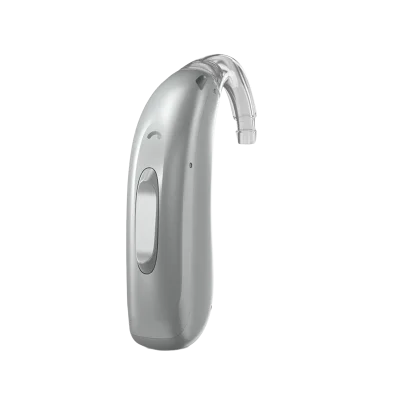
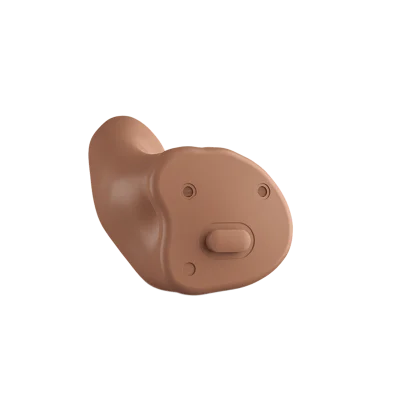
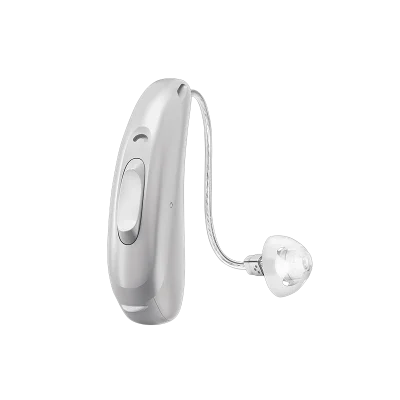
Hearing aid style: RIC (receiver-in-canal), BTE (behind-the-ear), or custom (ITE/ITC/CIC). RIC models typically use separate receivers and domes; custom models often use wax filters designed for that shell.
Receiver / speaker system: Many Rexton RIC devices use a specific receiver type and size/strength. The receiver connection must match exactly.
Dome / ear-tip system: Domes come in different shapes and attachment standards. The correct dome must fit the receiver tip (and match the size you need for comfort and seal).

If you’re unsure, check your hearing aid paperwork, the markings on the receiver cable, or compare your current accessory to the product photos and specifications. When in doubt, choose based on the exact part type you are replacing.

Common Rexton accessory categories (what they do)

Domes (ear tips)
Rexton domes sit on the end of the receiver and help with comfort, retention, and acoustics. The type of dome affects how open or sealed your fit is, which can influence bass, feedback, and how natural your own voice sounds.
Typical dome types include open, tulip/vented, and power/closed styles. The best choice depends on your ear canal size, comfort preference, and your hearing loss/audiologist fitting.

Wax filters / wax guards
Rexton wax filters protect the speaker opening from earwax and moisture. A clogged filter is one of the most common reasons for weak or intermittent sound. Wax filter designs vary by hearing aid/receiver system, so matching the correct filter type is essential.

Receivers (speakers)
Rexton receivers are the speaker units connected to the hearing aid by a thin wire on many RIC models. Compatibility depends on the receiver family/connector and often on receiver length and power level (e.g., S/M/P-style strength). If your receiver is cutting out, sounds distorted, or has no output even after changing the wax filter, the receiver may need replacing.

Thin tubes and earhooks (mainly BTE)
BTE-style Rexton hearing aids may use thin tubes and/or earhooks. Tubes can harden or discolor over time and may cause sound leaks or poor retention. These parts must match your specific BTE coupling size.

Retention locks and small fittings
Small retention pieces help keep RIC receivers stable in the ear. If your hearing aid feels like it’s “working its way out,” the correct retention part can make a big difference—provided it matches your receiver and dome system.

How to choose the correct Rexton accessory
Use the simplest “replace like-for-like” method whenever possible:

Start with what you have now: If the current accessory fits well, buy the same type and size.
Confirm the connection: The attachment point (receiver tip, wax filter holder, tube connection) must match the system used by your Rexton model.
Choose the right size: Domes and some filters come in sizes. If you’re between sizes, comfort and seal should guide you—too small can whistle, too large can be uncomfortable.
Match the problem to the part: Weak sound is often wax filter-related; feedback is often fit/dome-related; constant cut-outs can indicate a receiver issue.

Common problems (and which Rexton accessory usually fixes them)

Sound is weak or muffled: Replace the wax filter first; then check the dome and receiver opening.
Whistling / feedback: Try a larger dome size, a more closed dome style, or replace a worn dome that no longer seals.
Dome keeps falling off: Ensure the dome matches the receiver system and is pushed on fully; replace stretched domes.
Intermittent sound / crackling: Check for moisture, replace wax filter, then consider receiver replacement if it persists.
Hearing aid won’t stay in place: Replace the dome and consider a compatible retention lock.

Buy Rexton hearing aid accessories at Japebo
Once you’ve confirmed your setup (hearing aid style, receiver system, and the part you’re replacing), you can confidently order the right Rexton accessories. If you want extra certainty, match your current part to the product photos/specs and double-check model compatibility before checkout.

FAQ: Rexton accessory compatibility

How do I know which Rexton dome I need?
The safest approach is to match the dome you currently use (type and size) and ensure it’s designed for the same receiver tip system. If you’re changing the sound or dealing with feedback, a different dome style may help—but it must still match the same attachment standard.

Do all Rexton hearing aids use the same wax filters?
No. Wax filter compatibility depends on the receiver or the custom shell design. Always choose the wax filter type that matches your specific Rexton model or the filter you’re currently replacing.

When should I replace my Rexton wax filters?
Replace them when sound becomes weaker/muffled, after heavy wax buildup, or as part of routine maintenance. Many users benefit from checking filters weekly and replacing as needed.

Can I use receivers from another brand with Rexton?
Receivers are not universally interchangeable. Even when connectors look similar, small differences can prevent a secure fit or cause malfunction. Choose a receiver explicitly compatible with your Rexton receiver system.

What if I don’t know my Rexton model?
Look for the model name in your fitting paperwork, on the hearing aid case/label, or in an associated app (if you use one). If you can’t find it, identifying the accessory by the exact part you’re replacing (photos/specs) is often the next-best method.