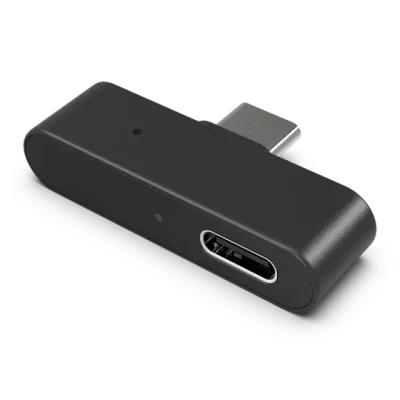
ReSound Vivia ITE

ReSound Vivia ITE accessories & compatibility guide | Japebo

If you’re looking for ReSound Vivia ITE accessories, the most important step is making sure the part you buy matches your exact Vivia ITE configuration. “ITE” (in-the-ear) models can use different consumables and fittings depending on microphone layout, receiver/tubing setup, and the type of ear tip or sound outlet used. This guide explains what typically fits ReSound Vivia ITE, how to identify the right accessory, and what to do if you’re unsure before you order.

What counts as an accessory for ReSound Vivia ITE?
ReSound Vivia ITE accessories are the replaceable parts that keep your hearing aids comfortable, hygienic, and performing as intended. Depending on your specific Vivia ITE build, the most common accessory types include:

Wax filters / cerumen guards (protect the sound outlet from earwax)
Domes / tips (only on some ITE variants or if your model uses a tip-style sound outlet)
Sound outlet parts (spouts/ports used on certain shells)
Cleaning tools (brushes, wire loops, drying solutions)
Batteries or charging-related items (depending on whether your Vivia ITE is rechargeable or battery-powered)

Not every ReSound Vivia ITE uses every category above, so compatibility checking matters more here than on one-size-fits-many accessory pages.

ReSound Vivia ITE compatibility: what you must check before buying
To choose the correct accessory for ReSound Vivia ITE, look for these identifiers:
1) Your exact model name and style
“Vivia ITE” tells us the style family, but accessories can still differ between sub-variants (for example, different venting or outlet designs). If you have packaging, a purchase invoice, or a fitting report from your hearing care professional, use that naming first.

2) The wax filter type currently installed
The fastest way to avoid ordering the wrong item is to compare the existing wax filter to product photos. Wax filters are usually not interchangeable across systems. If your current filter sits in a small plastic holder or uses a “tool” that inserts a new filter and removes the old one, match that system exactly.

3) The sound outlet / tip solution
Some ITE designs use a fixed sound port with a wax guard; others may use a tip/dome-style interface. If your Vivia ITE uses a tip, note the shape (open vs closed power-style), size, and whether it clicks onto a specific nozzle type.

4) Power level and comfort needs
Even when a tip is technically compatible, it may not be the best choice. More open solutions often feel more ventilated and natural for mild-to-moderate losses, while more closed solutions can help reduce feedback and improve bass/fullness for higher amplification needs.

How to choose the right ReSound Vivia ITE accessory (quick decision guide)
If you need wax filters
Choose the exact same wax filter system you’re using now. Signs you need a new wax filter include muffled sound, intermittent audio, or a sudden drop in volume. Replace the filter first before assuming there’s a bigger problem.

If you need domes/tips (only if your Vivia ITE uses them)
Start with the same size and type you currently wear. If you’re changing because of fit or sound:

Too loose / falls out: go one size up or switch to a more secure style if available for your outlet.
Feels blocked / your voice booms: try a more open option if your hearing loss and feedback tolerance allow it.
Whistling (feedback): a slightly more closed option or better seal can help—also check wax filter blockage first.

If you need cleaning items
Use cleaning tools designed for hearing aids (soft brush, loop, and dry storage). Avoid water flushing or sharp objects in the sound outlet—this can push wax deeper or damage the outlet and microphones.

Common ReSound Vivia ITE issues (and what accessories fix them)
Muffled or weak sound
Most often caused by a blocked wax filter or debris in the sound outlet. Replace the wax filter and gently brush the outlet area.

Whistling / feedback
Often linked to a poor seal, incorrect tip, or wax buildup. Try a fresh wax filter first; if the issue remains and your model uses tips, consider whether a more secure/closed tip is appropriate.

Discomfort or pressure
If your Vivia ITE uses tips, a different size or style can help. If the ITE shell itself feels uncomfortable, accessories may not solve it—your hearing care professional may need to adjust the fit.

Buying ReSound Vivia ITE accessories online (what to do if you’re unsure)
To buy confidently, match the accessory to what you currently use. If you’re unsure, use these steps:

Check your current accessory for identifiers (shape, color, holder/tool type).
Compare it to product images and descriptions on the relevant accessory page.
If possible, note the hearing aid serial/model information from your documentation.
Choose the exact match—or ask for help before ordering to avoid unnecessary returns.

Once you’ve confirmed compatibility, keep a small запас of wax filters and cleaning items on hand—these are the most commonly replaced parts for day-to-day performance.

FAQ: ReSound Vivia ITE accessories
Are all ReSound wax filters compatible with ReSound Vivia ITE?
No. ReSound uses multiple wax filter systems. ReSound Vivia ITE compatibility depends on the wax guard type your specific unit uses. Match the existing filter design exactly.

How often should I change the wax filter on ReSound Vivia ITE?
It depends on wax production and daily wear, but many users replace filters every few weeks to once a month, or immediately when sound becomes weaker or muffled.

My ReSound Vivia ITE is whistling—do I need new accessories?
Sometimes. Replace the wax filter first. If your model uses tips and the fit has changed, a different size/type may help. Persistent feedback can also require a settings adjustment.

Do ReSound Vivia ITE models use domes?
Some ITE configurations use tip-style solutions; others have a fixed sound outlet setup. Check what your current device uses before ordering domes/tips.

What’s the safest first accessory to replace if performance drops?
The wax filter is usually the best first step because it commonly causes muffled sound and is designed to be replaced regularly.