
ReSound Custom made hearing aid accessories | Compatibility & guide
ReSound Custom Made hearing aids are made to fit your ear precisely—so the right accessories depend on your exact model and, in many cases, your audiologist’s configuration. This guide explains what “custom made” means for ReSound, how compatibility typically works, and what to check so you can choose the correct maintenance parts and add-ons with confidence.
What does “ReSound Custom Made” mean?
“Custom made” refers to in-the-ear hearing aids built from an impression or scan of your ear (for example ITE/ITC/CIC/IIC styles). Unlike standard behind-the-ear models that use universal domes, custom devices use a tailored shell and often have model-specific accessories. That’s why identifying your exact ReSound custom model is the fastest way to avoid ordering the wrong part.
How compatibility works for ReSound custom made accessories
Compatibility is usually determined by a combination of:
Your exact ReSound model name/series (printed on paperwork, in the app, or available via your hearing care professional)
Shell style (ITE/ITC/CIC/IIC) and whether your device has specific features (e.g., telecoil, wireless capability, size constraints)
Receiver / microphone layout used in your custom shell (varies by model)
Wax protection system (different ReSound custom devices can use different wax guard types)
If you are unsure, treat “ReSound Custom Made” as a family label, not a single universal standard. Checking the current accessories you use (especially wax guards) is often the most reliable shortcut.
Which accessories are most common for ReSound custom made hearing aids?
Most custom-made ReSound users shop for maintenance accessories rather than domes or standard receivers. The most common categories are:
Wax filters / wax guards
Wax protection is typically the #1 consumable for custom hearing aids. The correct wax guard depends on the system built into your shell. Signs you may need a new wax filter include reduced volume, muffled sound, or intermittent sound.
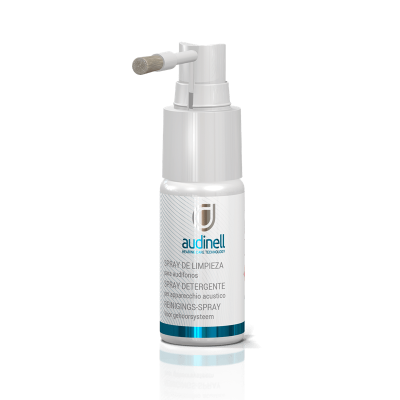
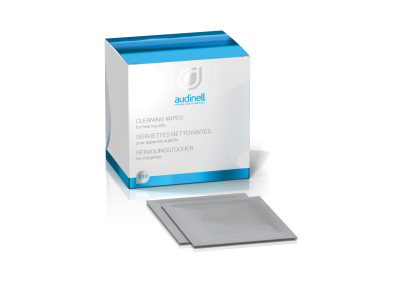
Cleaning tools & care products
Custom shells sit in the ear canal and can accumulate wax and moisture. A simple care routine with the right tools helps maintain sound quality and reduces repairs. Look for gentle cleaning tools intended for hearing aids and avoid sharp objects that can damage microphones or the sound outlet.
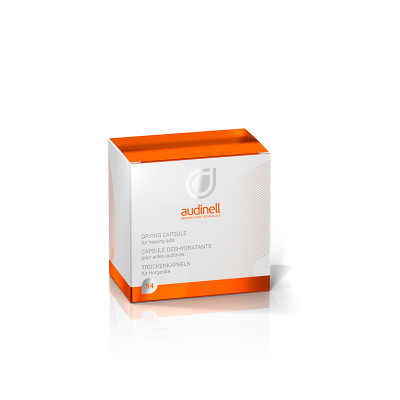
Drying solutions (dehumidifiers)
Moisture is a common cause of performance issues in custom aids. If you notice sound dropouts after exercise, humidity, or temperature changes, a drying solution can help protect electronics and extend device life.
Batteries (if your model uses disposable batteries)
Many custom hearing aids use disposable batteries. The correct size depends on your model. If you’re not sure, check the battery packaging you currently use or your fitting documentation.
How to choose the right ReSound custom made accessory (quick checklist)
Use this checklist before buying:
Identify your exact device (model/series and ear style). If you use the ReSound app, the model name is often visible there.
Match the wax guard type by comparing it to what’s currently installed (shape and replacement tool style are key).
Confirm battery size using your current packaging or user guide (only relevant for non-rechargeable models).
When in doubt, match what you already use—or contact your hearing care professional for the exact part reference.
Common problems (and what the right accessory can fix)
Sound is weak or muffled
Most often caused by a blocked wax filter or debris in the sound outlet. Replace the wax guard (if applicable) and clean the shell carefully.
Whistling / feedback
With custom devices, feedback is commonly related to fit, wax build-up, or changes in ear canal shape. Cleaning and replacing wax protection can help, but persistent feedback may require an audiologist adjustment.
Intermittent sound or crackling
This can be a moisture issue or blockage. Use a drying solution and ensure the sound outlet is clean. If problems persist, professional service may be required.
Where to buy ReSound custom made accessories
Buy from a retailer that clearly lists ReSound custom made compatibility for each accessory. If a product page doesn’t specify the wax filter system or the ReSound models it fits, don’t guess—choose a clearly compatible option to avoid wasted time and incorrect parts.
FAQ: ReSound Custom Made accessories
Are ReSound custom made accessories universal?
No. “Custom made” covers multiple ReSound models and ear styles. Items like wax guards can differ between models, so compatibility should be confirmed.
Do ReSound custom made hearing aids use domes?
Typically no. Domes are most common on receiver-in-canal or slim-tube styles. Custom made devices use a custom shell instead.
How do I know which wax filter I need?
The safest method is to match the wax guard system already in your hearing aid (shape and the replacement tool). If you can’t identify it, check your documentation or ask your hearing care professional.
How often should I replace wax guards?
It depends on wax production and daily use. Replace them when sound becomes muffled/weak, or as recommended by your hearing care professional.
What if I order the wrong accessory?
If you’re unsure, confirm your exact ReSound model and wax guard type before ordering. Choosing accessories with explicit compatibility information reduces the risk of ordering the wrong part.