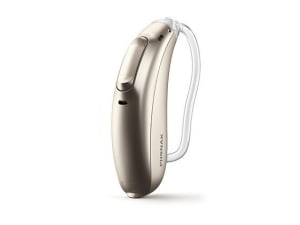
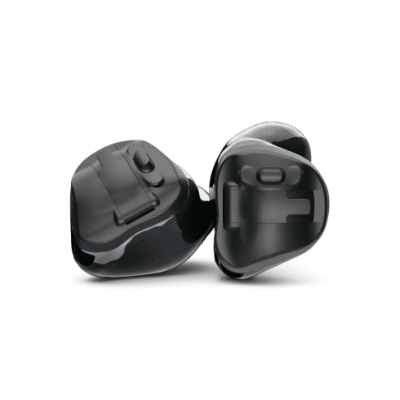
Phonak hearing aid accessories compatibility guide

Looking for the right Phonak hearing aid accessories but unsure what fits your model? This guide helps you understand Phonak compatibility ....

Looking for the right Phonak hearing aid accessories but unsure what fits your model? This guide helps you understand Phonak compatibility so you can choose the correct parts—whether you need new domes, wax filters, receivers, retention locks, or cleaning items. The goal is simple: make sure you’re on the right page and know what to buy before you order.

What this Phonak guide covers

Phonak hearing aids use different fittings and consumables depending on the hearing aid family and the speaker/tube setup (for example RIC “receiver-in-canal” vs. tubing systems). That’s why “Phonak accessory” can mean several different standards. Below you’ll learn what to check, what typically needs replacing, and how to avoid the most common mismatch (ordering the right accessory in the wrong size or system).

How compatibility works for Phonak accessories

Most Phonak accessory compatibility comes down to identifying how sound is delivered into the ear and which attachment system your hearing aid uses:
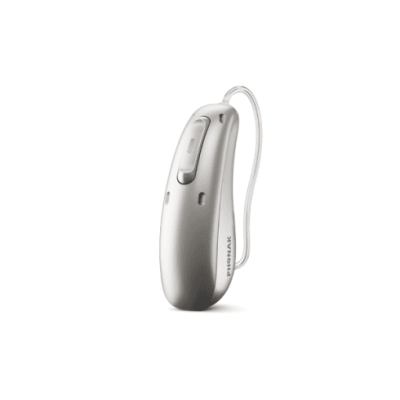
RIC / Receiver systems: Many modern Phonak models use a receiver (speaker) with an ear piece (dome or earmold). In these setups, you’ll usually replace domes and wax filters/guards regularly, and sometimes the receiver.
Thin tube / tubing systems: Some Phonak models use tubing and an earpiece. Here, you’ll often replace tubes, domes (tube domes), and related small parts.

If you’re unsure which setup you have, look for clues on the hearing aid or in your fitting paperwork: names like “receiver,” “wire,” “tube,” or printed receiver codes/lengths are usually the fastest way to confirm.

Most common Phonak accessory categories (and what they do)

Phonak domes (ear tips)

Domes are the small silicone ear tips that sit in your ear canal. They affect comfort, retention, and sound performance. The “right” dome is about both fit and acoustic effect (how open/closed the ear canal is). If your hearing aid feels loose, whistles (feedback), or sounds thin/sharp, the dome type or size is often the cause.
Phonak wax filters / wax guards

Wax filters protect the receiver opening from earwax and moisture. If your sound becomes weak, muffled, or cuts out intermittently, a blocked wax filter is one of the first things to check. Using the correct Phonak-compatible filter type matters—different receivers and ear pieces use different guard standards.

Phonak receivers (speakers)

Receivers are model- and system-specific (often defined by series/standard, length, and power level). If one side is consistently quiet even after changing wax filters and domes, or if there is crackling/distortion, you may need a replacement receiver—but only the correct Phonak-compatible version will click in and perform properly.

Retention locks and small fitting parts

Retention locks (sports locks) and similar small parts help keep the receiver and dome stable in the ear. If the hearing aid migrates out of the ear during the day or feels unstable when chewing/talking, a retention solution may be the simplest fix.

How to choose the correct Phonak accessory (quick decision process)

Use this process to reduce the risk of ordering the wrong part:

Identify your hearing aid setup: receiver-with-wire (RIC) or tube.

Match the attachment system:
the dome/filter must match the receiver/tube style you have (not just “Phonak”).

Choose size based on comfort and seal:
if your current dome size feels right, reorder the same size; if you’re between sizes, consider the next size up for feedback/looseness or down for pressure/discomfort.
Use symptoms to guide the choice:

Muffled/weak sound → change wax filter first
Whistling/feedback → check dome fit/type
Device slips out → consider retention lock or dome size
Persistent dead/quiet side → consider receiver after basic checks

If you can, compare with the part you’re replacing (shape, connector, and any printed codes) before ordering.

Common Phonak problems & fixes (accessory-related)
“My Phonak hearing aid whistles”
Feedback is often a fit issue. Try a fresh dome, confirm the correct dome type, and ensure it seals properly. Also check for cracks or looseness in tubing/earpiece parts.

“Sound is weak or blocked”
Replace the wax filter/guard and inspect the dome for wax or moisture. If the issue remains, a receiver may be failing—especially if the problem follows the receiver side.

“It keeps falling out”
Try a larger dome size or add a retention lock if compatible with your setup. Over time, domes can soften and lose grip—replacing them often restores stability.

Buy Phonak accessories with confidence at Japebo

When you select Phonak-compatible accessories, you’re not just buying a spare part—you’re restoring comfort, sound clarity, and reliability. If you know your current accessory type/standard, reordering like-for-like is usually the safest choice. If you’re changing type (for example to improve comfort or reduce feedback), focus on compatibility first, then adjust size/type one step at a time.

FAQ: Phonak hearing aid accessories
How do I know which Phonak accessory fits my hearing aid?
Start by identifying whether you use a receiver (RIC wire) or a tube system. Then match accessories to that specific system (dome type, wax filter standard, receiver version and length). If you can, use the code or the exact look of the part you’re replacing.

Can I use non-Phonak domes or wax filters?
It’s not recommended. Even if they look similar, attachment systems and dimensions vary, which can cause poor fit, feedback, or inadequate wax protection. Phonak-compatible parts are the safer choice.

How often should I replace Phonak domes and wax filters?
It depends on earwax, moisture, and daily wear. Many users replace domes regularly for hygiene and fit, and replace wax filters whenever sound becomes muffled or on a routine schedule advised by their hearing care professional.

If I change domes, will my sound change?
Yes. More open domes can feel more natural but may reduce bass and increase feedback risk, while more closed domes can increase bass and reduce feedback but may feel occluding. Choose based on comfort and your hearing needs.

When do I need a new receiver?
If changing the wax filter and dome doesn’t fix weak sound, and cleaning doesn’t help, the receiver may be faulty—especially if you hear crackling, distortion, or one side consistently underperforms.

Tip: For the most accurate match, check the accessory you currently use and reorder the same type/standard. If you want to share your hearing aid model name (and a photo of the current dome/filter/receiver), it’s usually possible to confirm compatibility quickly.