
Philips In-The-Ear (ITE) Hearing Aid Accessories & Compatibility Guide | Japebo
Looking for Philips In-The-Ear (ITE) hearing aid accessories and want to be sure you’re choosing the right parts? This guide explains how Philips ITE models typically use accessories, what to check for compatibility, and how to select the correct option so you can restore comfort, sound quality, and reliability.
What “In-The-Ear (ITE)” means for Philips accessories
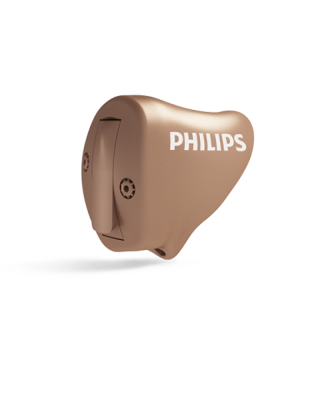
ITE hearing aids sit in the outer ear and are usually made to fit your ear shape. Because the instrument is custom-fitted, many components (like the shell and some internal parts) are not interchangeable. The accessories you can typically replace are the consumable and maintenance items—especially anything related to keeping sound pathways clear and the device protected from moisture and earwax.
How to check compatibility for Philips ITE accessories
Philips compatibility is rarely determined by “ITE” alone. To choose correctly, match accessories to your specific device and the parts currently in use. The most reliable checks are:
Model name of your Philips hearing aid (from your paperwork or fitting report).
What you’re replacing (compare shape, color, size, and any markings on the existing part).
Receiver/speaker and sound outlet style (ITE designs can vary, even within Philips ranges).
Pictures of your current accessory next to the replacement (helpful if multiple versions exist).
If you’re unsure, choose based on the exact part currently installed rather than guessing by device style alone.
Common Philips ITE accessories (what they do)
Wax protection (filters/guards)
Wax protection parts help prevent earwax from blocking the sound outlet. A clogged wax guard is one of the most common reasons an ITE hearing aid suddenly sounds weak, muffled, or cuts out. Replacing the wax protection is often the fastest fix.
Cleaning & care items
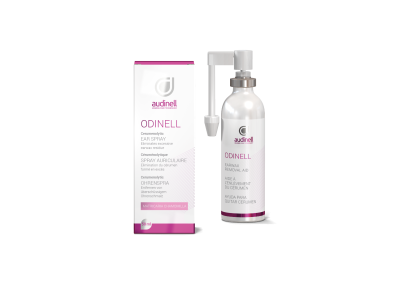
Cleaning tools and care products help keep microphones and sound outlets clear and reduce moisture-related issues. For ITE instruments—where the device sits close to skin and wax—regular cleaning and drying can noticeably improve day-to-day performance.
Batteries (if your Philips ITE uses disposable batteries)
Many ITE models use disposable zinc-air batteries (size depends on your model). If you notice shorter runtime, intermittent sound, or start-up issues, confirm you’re using the correct battery size and that the battery door closes properly.
How to choose the right Philips ITE accessory (simple steps)
Identify the exact part you want to replace (wax guard, cleaning tool, battery, etc.).
Compare your current part to the product photos and descriptions (shape/diameter/fit system matters).
Match by model when available—use the Philips model name from your documents.
When in doubt, replace like-for-like (same size and type as what is currently in your ITE).
Troubleshooting: Philips ITE problems these accessories can solve
Muffled or weak sound
Most often caused by a blocked sound outlet or wax protection. Replace the wax guard and clean the outlet carefully.
No sound / cut-outs
Check battery condition (and correct size), clean contact points if appropriate, and inspect for wax blockage. Moisture can also cause intermittent performance—drying solutions can help.
Whistling (feedback)
Feedback can be caused by poor fit, wax buildup, or changes in your ear canal. Cleaning and wax protection replacement may help, but persistent feedback can require professional adjustment.
Buy Philips ITE accessories at Japebo
Japebo makes it easier to find Philips In-The-Ear (ITE) hearing aid accessories that match what you already use. If you want the safest purchase, choose the accessory that matches your current part (same type and appearance) and confirm compatibility by Philips model whenever it’s listed.
FAQ: Philips ITE accessories & compatibility
Are all Philips ITE accessories universal?
No. “ITE” describes the style, not the exact accessory system. Compatibility depends on the specific Philips model and the parts fitted to your device.
How often should I replace wax protection on a Philips ITE?
It depends on earwax production and daily wear time. If sound becomes muffled or weaker, replacing the wax guard is a good first step.
How do I know which battery size my Philips ITE uses?
Check your current battery (size code/color) or your hearing aid documentation. Using the correct size improves reliability and door fit.
What if I can’t find my Philips model?
Use your current accessory as the reference (match the shape/size/version). If you can, take a photo of the part you’re replacing and compare to the product images and descriptions.