
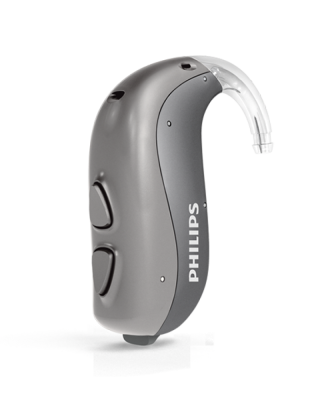
Philips Behind-the-Ear (BTE) Hearing Aid Accessories – Compatibility & Buying Guide | Japebo
If you’re looking for Philips Behind-the-Ear (BTE) hearing aid accessories, you’re in the right place. Philips BTE instruments can use different fittings and consumables depending on the exact model and the type of ear-piece setup you have (thin tube, earmold, receiver-in-ear style, etc.). This guide helps you understand what to look for so you can choose compatible Philips BTE accessories the first time.
What “Behind-the-Ear (BTE)” means for Philips hearing aids
A Philips BTE hearing aid sits behind the ear and delivers sound into the ear canal through a tube or a wire/earpiece system. Because there are multiple BTE-style configurations, the correct accessory is determined by:
Your exact Philips hearing aid model/family
Your ear-coupling type (tube + dome, earmold + tube, or a receiver/earpiece setup)
Connection format and size (where relevant)
Common Philips BTE accessory types (and what they do)
Depending on your Philips BTE configuration, you may need one or more of the following accessory categories:
Domes – soft ear tips that sit in the ear canal (available in different sizes and ventilation levels).
Tubes / thin tubes – carry sound from the BTE hearing aid to the dome or earmold.
Earmolds (and related parts) – custom-fit pieces for stability and power (often paired with standard tubing).
Wax protection – helps reduce blockages and keeps sound pathways clear (type depends on your ear-piece setup).
Cleaning and care – tools and consumables that help maintain performance and hygiene.
If you’re unsure which accessory category you need, start by identifying whether your Philips BTE uses a tube (common in classic BTE) or a wire/earpiece system (common in receiver-based styles).
How to confirm compatibility for Philips BTE accessories
To avoid ordering the wrong accessory, use these practical checks:
1) Identify your Philips hearing aid model
Check your fitting paperwork, Philips app details, or the model name printed on the device. Compatibility can vary between model families—even when both are “BTE”.
2) Check your current part for a clear match
The quickest way to confirm compatibility is to compare with what you already use:
For domes: compare shape and size (diameter), and match the attachment style.
For tubes: compare tube type (thin vs standard), length (often marked), and how it connects at the hearing aid.
For wax protection: match the exact system used in your ear-piece (wax protection types are not universally interchangeable).
3) Match size and comfort, not just the brand
Even within Philips-compatible options, the right size matters for comfort, retention, and sound quality. A dome that’s too small can whistle (feedback) and slip out; one that’s too large can feel sore and block sound naturally passing through the ear.
How to choose the right Philips BTE accessory
Use these simple selection principles to narrow the correct option:
If sound is weak or intermittent: check for wax blockage, worn domes, or a tube that has hardened or discoloured.
If you get whistling (feedback): you may need a better seal (different dome style/size) or to replace a loose/worn tube.
If comfort is the issue: adjust dome size/type rather than “forcing” the same size—small changes can make a big difference.
If parts don’t fit: stop and re-check the coupling type (tube vs receiver/earpiece) and the connection format before ordering again.
Common Philips BTE issues and quick fixes
No/low sound
Most often caused by wax blockage or a worn ear-piece part. Replace wax protection (if applicable), replace the dome, and inspect the tube for moisture or hardening.
Whistling or poor seal
Try a larger size or a more closed dome type for a better seal. If you use tubing, also check that the tube is firmly attached and not cracked.
Discomfort or soreness
Switch to a different dome size or a softer/alternative dome style. Persistent discomfort can also indicate the need for an earmold adjustment.
Buy Philips BTE accessories at Japebo
Japebo makes it easy to find the right Philips BTE accessories—whether you’re replacing everyday wear parts or troubleshooting sound and fit. If you can identify your current part (or your exact Philips model), you can usually match the correct replacement quickly and confidently.
FAQ – Philips Behind-the-Ear (BTE) accessories
Are all Philips BTE accessories interchangeable?
No. “BTE” describes the wearing style, but compatibility depends on the exact hearing aid model and the ear-piece setup (tube, earmold, or receiver/earpiece style).
How often should I replace domes or tubes?
It depends on wear and hygiene needs, but domes and tubes are typically replaced regularly. If you notice reduced sound, discoloration, hardening, or poor fit, it’s usually time to replace.
How do I know which dome size I need?
The best approach is to match the size you currently use. If you experience whistling or the dome slips out, you may need a different size or dome type for a better seal.
What should I do if I’m unsure about compatibility?
Use your current part as a reference and check your Philips hearing aid model. If you’re still unsure, choose the accessory option that explicitly lists compatibility with your setup before purchasing.