
Oticon Real RITE series – Compatibility & Accessory Guide | Japebo
If you use the Oticon Real RITE series, choosing the right accessories (domes, wax protection and receiver parts) is essential for comfort, sound quality and keeping your hearing aids working reliably. This guide explains how compatibility works for the Oticon Real RITE series, what to look for when replacing parts, and how to avoid the most common mistakes.
What “RITE” means for Oticon Real accessories
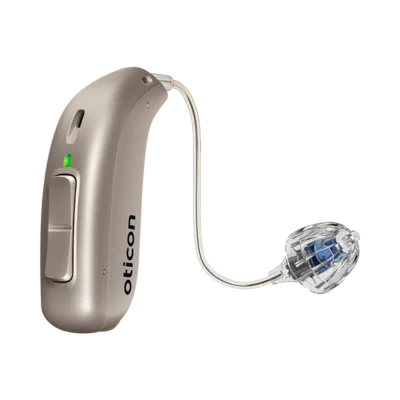
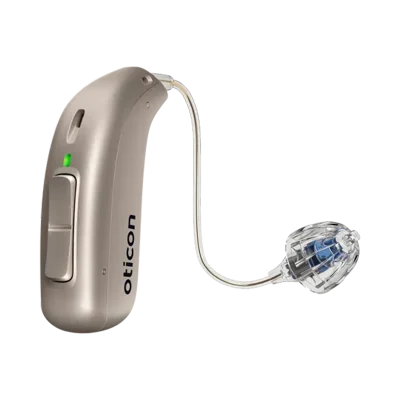
Oticon Real in the RITE style (Receiver-In-The-Ear) uses a small behind-the-ear housing with a thin wire leading to a receiver (speaker) that sits in the ear canal. Because the receiver sits close to earwax and moisture, the accessories around it—especially domes and wax guards/filters—are the parts most often replaced.
How to know which accessories fit the Oticon Real RITE series
Accessories are compatible when they match the receiver system and the earpiece interface used by your Oticon Real RITE device. In practice, the quickest way to confirm the right part is to check:
The receiver type (printed on the receiver/wire or shown in your fitting paperwork)
The dome connection (how the dome attaches to the receiver)
The wax protection system (the specific wax guard style used in your earpiece/receiver)
If you’re unsure, match your current parts visually (shape/locking mechanism) before ordering replacements. Using the wrong interface can lead to domes that fall off, poor sealing, feedback (whistling), or reduced sound.
Oticon Real RITE domes: types and how to choose
Domes affect both comfort and sound performance. The “best” dome is the one that gives you a secure fit and the sound your hearing care professional intended.
Common dome styles for RITE fittings
Open domes – more ventilation and a natural feel; often used for milder losses and to reduce occlusion (the “blocked” feeling).
Vented/“bass” domes – more low-frequency support while keeping some airflow.
Power/closed domes – tighter seal for more amplification; can reduce feedback but may feel more occluding.
Picking the right dome size
Dome size is mainly about seal and comfort. If the dome feels loose, slips out, or you get whistling, you may need a larger size or a more closed style. If it feels sore or pressured, consider a smaller size or a more open style—provided your audiologist’s fitting allows it.
Wax protection for Oticon Real RITE: why it matters
In RITE hearing aids, wax is one of the most common causes of weak sound, distortion, or total dropouts. Wax guards/filters are designed to protect the receiver opening. If your sound suddenly becomes quieter or muffled, replacing the wax guard is often the first thing to try.
For best results:
Replace wax protection regularly—especially if you produce a lot of earwax.
Always use the exact wax guard type intended for your Oticon Real RITE setup.
If filters clog frequently, consider more frequent changes and keep spare packs available.
Receivers and receiver wires (RITE speakers): when to replace
The receiver and wire are wear items. You may need replacement if you notice:
Sound cutting in/out when you move or touch the wire
Persistent weak output after changing domes and wax protection
Visible damage, kinks, cracking, or corrosion at the receiver end
Receiver compatibility depends on the receiver family, size/length, and power level. If you’re replacing a receiver, match the markings on your existing one (or your clinic’s notes) to ensure you get the correct version.
Retention and fit accessories: keeping your RITE secure
If your Oticon Real RITE feels unstable, a retention lock/sport lock (when supported by your receiver setup) can improve security—especially for active use. If your dome frequently slips out, improving retention can help reduce feedback and maintain consistent sound.
Common Oticon Real RITE issues and quick fixes
Whistling (feedback)
Often caused by a poor seal, a dome that’s too small, or