
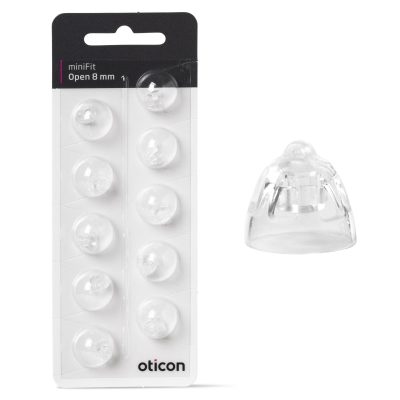
Domes for Oticon Optim BTE 85
Oticon Optim BTE 85
Oticon Optim BTE 85 accessories & compatibility guide | Japebo
If you use an Oticon Optim BTE 85 hearing aid, choosing the right accessories (such as earhooks, tubing, domes, earmould parts and filters) is essential for comfort, sound quality and reliability. This guide explains Oticon Optim BTE 85 accessory compatibility, what each accessory does, and how to identify the correct option before you buy.
What is the Oticon Optim BTE 85?
The Oticon Optim BTE 85 is a behind-the-ear (BTE) hearing aid model. BTE hearing aids typically route sound through an earhook and either thin tube + dome or a standard tube + earmould. That means the accessories you need are mainly the parts that connect the hearing aid to your ear and keep the sound path clean and comfortable.
How Oticon Optim BTE 85 accessory compatibility works
For the Oticon Optim BTE 85, compatibility is determined by the type of sound outlet you use:
Thin-tube (tube + dome): typically uses a thin tube system and a dome at the ear end.
Standard tube + earmould: uses thicker tubing connected to a custom mould; often used for higher power fittings or when a more secure fit is needed.
To choose correctly, identify what you currently wear. The easiest method is to compare your existing parts to the replacement product photos, or check your paperwork from your hearing care professional.
Accessories commonly used with Oticon Optim BTE 85
Earhooks (the plastic elbow on the hearing aid)
The earhook attaches to the hearing aid and guides the sound into the tube. If an earhook becomes loose, cracked or discoloured, it can cause whistling (feedback) or poor sound.
Tip: If your tubing frequently slips off the hearing aid, or you see visible wear on the earhook, replacing the earhook is often the right first step.
Tubing (standard tube or thin tube)
Tubing carries sound from the hearing aid to your ear. Over time it can harden, yellow, shrink, or become blocked by moisture or earwax.
Thin tube: lighter and more discreet, usually paired with domes.
Standard tube: typically paired with an earmould, often more robust for stronger fittings.
If you are unsure which tube type you have, look at the ear end: domes indicate a thin-tube setup, while a custom earmould usually indicates standard tubing.
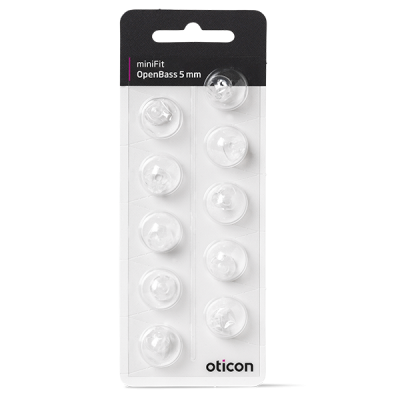
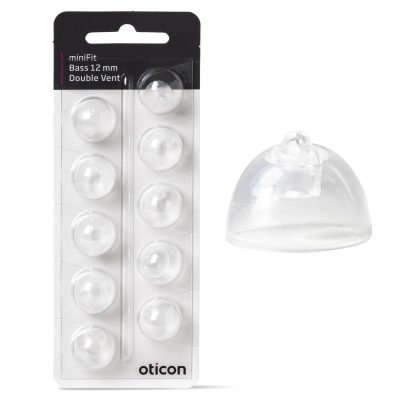
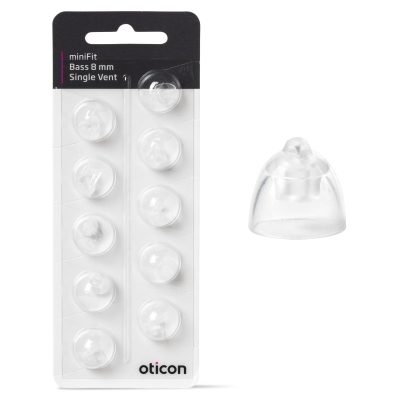
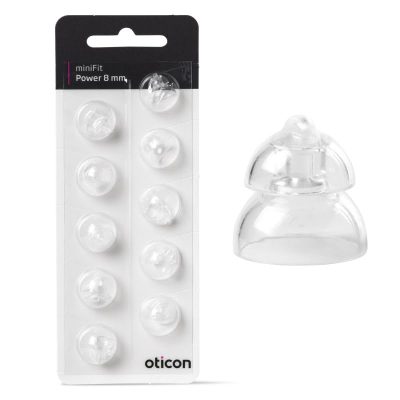
Domes (if you use thin tubes)
Domes sit in the ear canal and affect both comfort and sound (especially bass and feedback control). Domes mainly differ by:
Size (small/medium/large)
Type (open, vented/semi-open, or closed/power)
How to choose: Start by matching the dome type and size you currently use. If you experience feedback, a loose feeling, or thin sound, you may need a different size or a more closed style.
Earmould parts (if you use a mould)
If your Oticon Optim BTE 85 is fitted with an earmould, the key accessories are:
Standard tubing (cut to length)
Mould tubing/connector parts (depending on mould style)
Cleaning tools to keep the sound bore open
A poor seal or cracked mould can lead to feedback and reduced sound quality. If fit has changed, a new mould (made by a professional) may be needed, but replacing tubing can often solve everyday issues.
Filters and cleaning accessories
BTE systems can still suffer from wax or moisture issues at the ear end. Regular cleaning helps prevent reduced volume, muffled sound and interruptions.
Good to have: cleaning brush, drying solution, and (where applicable) replacement guards/filters used in the ear-end components.
How to choose the correct Oticon Optim BTE 85 accessory
Use these steps to reduce the risk of ordering the wrong part:
Identify your setup: dome + thin tube, or earmould + standard tube.
Match what you already have: compare the shape of the earhook/tube connection and the dome style/size.
Check for left/right markings (some tube systems are side-specific).
Consider your symptoms:
Feedback/whistling: often a fit issue (dome size/type, tubing, earhook), or wax blockage.
Muffled sound: often blocked tubing or ear-end parts.
Falling out/poor comfort: likely wrong dome size or worn parts.
Common Oticon Optim BTE 85 problems (and what usually fixes them)
Whistling (feedback): try a better seal (different dome type/size), replace worn tubing or earhook, and ensure the ear canal is clear.
Sound is weak or intermittent: check for moisture, replace tubing if hardened, and clean the ear-end opening.
Tube keeps popping off: the tube may have stretched/hardened or the earhook may be worn—replacing either can help.
Irritation in the ear: consider a different dome material/style/size and ensure regular cleaning.
Buy Oticon Optim BTE 85 accessories online
When you order accessories for the Oticon Optim BTE 85, the safest approach is to purchase the exact replacement for the parts you are currently using (same type and size). If you want to change comfort or sound, adjust one variable at a time (for example: dome size first, then dome type).
If you are uncertain about compatibility, compare your existing parts to the product images and specifications on the product pages, or choose a multi-size option where available to test the best fit.
FAQ: Oticon Optim BTE 85 accessories
How do I know if my Oticon Optim BTE 85 uses domes or an earmould?
If there is a soft silicone tip (dome) sitting in the ear canal, you use domes. If you have a custom-shaped piece that fills more of the ear (earmould), you use a mould with standard tubing.
Can I use any Oticon accessory with the Oticon Optim BTE 85?
Not always. Compatibility depends on the connection type (earhook/tube system) and the fitting (thin tube + dome vs standard tube + mould). Always match the part type used on your device.
When should I replace tubing?
Replace tubing if it turns yellow, feels stiff, shrinks, cracks, or if sound becomes muffled and cleaning doesn’t help. Regular replacement helps maintain sound quality and comfort.
What dome type should I choose?
Choose the same type you currently use if you are happy with fit and sound. If you get feedback, you may need a larger size or a more closed dome. If your ear feels blocked or your own voice booms, a more open dome may help (if suitable for your hearing loss).
What if I’m between two dome sizes?
A slightly larger dome often seals better and reduces feedback, while a smaller dome can feel more comfortable but may leak sound. If available, test a size assortment to find the best balance.