
Oticon CROS miniRITE T – Compatibility, setup & accessories guide | Japebo
If you use (or are considering) the Oticon CROS miniRITE T, this guide helps you identify the right compatible accessories and avoid common ordering mistakes. The Oticon CROS miniRITE T is designed for single-sided deafness (SSD) or unaidable hearing in one ear, sending sound from the poorer ear to an Oticon hearing aid on the better ear. Below you’ll find what it is, how compatibility works, what you typically need to replace over time, and how to choose the correct option before you buy.
What is Oticon CROS miniRITE T?
Oticon CROS miniRITE T is a CROS transmitter in a miniRITE T (receiver-in-the-ear) style. It’s worn on the ear with little or no usable hearing. Instead of amplifying that ear, it captures sound on that side and wirelessly transmits it to a compatible Oticon hearing aid worn on the better-hearing ear.
Important: CROS devices do not provide amplification to the CROS-worn ear. They are part of a two-device system: (1) the CROS transmitter and (2) a compatible Oticon hearing aid that receives the signal.
Oticon CROS miniRITE T compatibility: what must match?
When shopping for Oticon CROS miniRITE T accessories, compatibility usually depends on two things:
1) The CROS system generation / platform
Oticon makes different wireless platforms over time. Your CROS miniRITE T must be compatible with the receiving Oticon hearing aid family it’s paired with. If you’re replacing a part or adding an accessory, make sure it supports your exact CROS model (Oticon CROS miniRITE T) and—when relevant—your receiving Oticon hearing aid model.
2) Physical form factor and connections (miniRITE T)
miniRITE T devices use a slim behind-the-ear housing and typically rely on earwire/receiver-style components and domes for fit and comfort. Even within “miniRITE,” sizes and attachment styles can vary across generations. If you’re unsure, compare:
Whether your part is specified for miniRITE T (not miniBTE, ITE, etc.)
Any stated sizes (e.g., wire/earpiece length, dome size)
The exact naming on your current packaging or clinic printout
Which accessories are most commonly used with Oticon CROS miniRITE T?
Most users come back for a few practical “wear-and-tear” items and daily-use accessories. What you need depends on your ear and how you wear your CROS setup.
Domes and ear pieces (comfort + retention)
Domes are the soft tips that sit in the ear canal. They affect comfort and stability. If your CROS miniRITE T ear piece feels loose, whistles, or irritates the ear, the dome type/size is often the first thing to review.
How to choose: Match the same style you already use (open, closed, power, etc.) and then adjust size if you need more grip or ventilation. If you don’t know what you have now, look at your last order or check the dome’s shape (open domes have vents; closed domes are more sealed).
Wax protection and cleaning items
Even with a CROS transmitter, earwax and moisture can affect the earpiece and sound inlet. Regular cleaning tools and the correct wax protection help prevent dropouts and reduce the need for service.
Retention solutions (sports locks / stabilizers)
If the device shifts when you chew, talk, or move, a retention accessory can help keep the earpiece stable—especially if your ear canals are narrow or you’re active.
Batteries (if your model is battery-powered)
The “T” in miniRITE T often indicates a telecoil model and may be battery-powered depending on your exact device version. Check your current device/battery door or existing battery pack to confirm the battery type you use, and reorder the same size for consistent performance.
How to make sure you’re buying the correct part
Use this quick checklist before ordering accessories for Oticon CROS miniRITE T:
Confirm the exact model name: Oticon CROS miniRITE T (as shown in paperwork or your fitting app/clinic notes).
Match what you already wear: dome style/size and any retention pieces should match your current setup unless you’re intentionally changing fit.
If ordering fit-specific parts (domes/ear pieces): choose the same dome family and then select size based on comfort and seal.
If you’re unsure: compare photos and product descriptions to your current parts, or identify the code on your packaging.
Common Oticon CROS miniRITE T issues (and what accessories can fix)
The CROS feels loose or falls out
Try a larger dome size, a different dome style, or add a retention/stabilizer piece. Comfort and stability are usually solved through fit accessories rather than electronics.
Sound cuts out or becomes weak
First, check the earpiece for wax/moisture and replace cleaning/wax protection items if needed. Also verify battery level (if applicable). Intermittent performance is often maintenance-related.
Whistling or feedback
Feedback is typically a fit/seal issue. Switching dome type (more closed) or adjusting size can help stabilize the acoustic fit on the receiving hearing aid side; ensure your clinician settings match your physical fit.
Where to buy Oticon CROS miniRITE T accessories
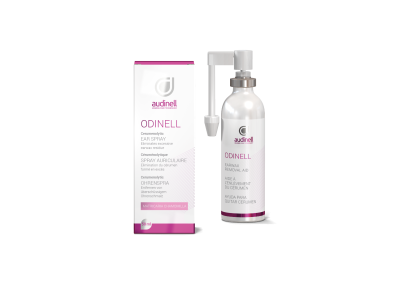
At Japebo, you can find compatible Oticon CROS miniRITE T accessories such as domes, cleaning items, and other fit components. For best results, order the exact match to your current parts—or change only one variable at a time (e.g., dome size) so you can clearly feel the difference.
If you also need accessories for the receiving Oticon hearing aid (the device on your better ear), make sure to shop by that model as well, since some accessories apply to the hearing aid side rather than the CROS transmitter.
FAQ: Oticon CROS miniRITE T
Does Oticon CROS miniRITE T work by itself?
No. Oticon CROS miniRITE T is a transmitter and must be paired with a compatible Oticon hearing aid on the better-hearing ear to deliver sound.
Are CROS accessories the same as regular Oticon hearing aid accessories?
Some are shared (e.g., cleaning tools, certain fit items), but compatibility can differ. Always confirm the accessory is intended for miniRITE T and—when relevant—the platform used by your CROS/receiver pair.
How often should I replace domes?
It depends on wear and earwax, but many users replace domes regularly for hygiene and consistent fit. Replace sooner if the dome hardens, discolors, tears, or starts slipping.
What if I don’t know my dome size?
If possible, match the size you already use from previous packaging. If you must guess, choose a size that feels secure without pressure; moving up one size is often the simplest fix for looseness.
Can I change dome type (open to closed) on my own?
You can, but changing dome type can affect comfort and how sound is perceived on the receiving hearing aid side. If in doubt, change one thing at a time and consult your hearing care professional for fine-tuning.