Interton Guide – Compatibility & accessories (domes, wax filters, receivers, cleaning)
Looking for the right Interton hearing aid accessories and not sure what fits your model? This Interton guide helps you understand compatibility and choose correctly the first time—whether you need Interton domes, wax filters, receivers, or everyday cleaning accessories. Use the sections below to identify what you have, what usually matches it, and what to check before you buy.
How Interton accessory compatibility works
With Interton hearing aids, accessory compatibility is primarily determined by the style of hearing aid you wear and the parts system it uses (especially for receiver-in-ear models). In practice, that means the correct accessory depends on a few key details:
Hearing aid style: RIC/RIE (receiver-in-canal), miniRITE/RIE, or BTE (behind-the-ear) with a thin tube.
Speaker/receiver setup: Many Interton RIE/RIC devices use removable receivers; domes and wax filters must match that receiver and ear-piece system.
Dome connection type: Domes attach to the receiver tip (RIC) or to a thin tube (BTE). These are not interchangeable.
Wax protection system: Wax filters are model/system-specific. The wrong filter may not fit, may fall out, or may block sound.
If you’re unsure, the fastest route is to check your current parts (the dome shape and how it attaches, the wax filter type, and any markings on the receiver). Matching what you already use is usually the safest option.
Interton domes: what they are and how to choose
Interton domes are the soft silicone tips that sit in your ear canal. They affect comfort, feedback (whistling), sound quality, and how securely the hearing aid stays in place. Choosing the right dome comes down to fit and acoustic needs:
Open domes: More ventilation and a more natural feeling; often used for mild to moderate loss and when you want less occlusion.
Closed domes: More sealing than open; can increase bass and reduce feedback for stronger fittings.
Power domes: Most sealing; for higher gain needs and maximum feedback control.
What to check before ordering: whether your dome attaches to a receiver (RIC/RIE) or to a thin tube (BTE), and the size (mm) that feels comfortable and stays in place. If your current dome slips out, go one size up; if it feels sore or too tight, go one size down.
Interton wax filters: what they do and when to replace them
Interton wax filters (wax guards) protect the receiver and sound outlet from earwax and moisture. A clogged wax filter is one of the most common reasons for weak sound or “dead” hearing aids.
Typical signs you need a new wax filter:
Volume seems lower than normal even after cleaning
Sound is muffled or intermittent
One side is noticeably weaker than the other
Important: Interton uses specific wax protection systems depending on the receiver/earpiece. Always match the filter type to your current filter (shape and cartridge/tool style). If you replace the filter and sound is still weak, the dome may be blocked or the receiver may need service.
Interton receivers (speakers): compatibility and selection
Many Interton RIE/RIC hearing aids use a removable receiver (speaker) that sits in the ear canal. Receivers are not universal—compatibility depends on your Interton system and usually also the receiver power level (often indicated by markings) and length.
Before you buy an Interton receiver, confirm:
Receiver type/system used by your Interton model
Length (so it routes comfortably behind your ear)
Power level (must match your fitting needs)
Left vs right (receivers are side-specific)
If you’re swapping a receiver due to no sound, crackling, or dropouts, also replace the wax filter and dome at the same time—those are the most common causes of sound issues and can mimic receiver failure.
Cleaning & care accessories for Interton hearing aids
Keeping your Interton accessories clean extends their life and helps maintain stable sound. Helpful items include:
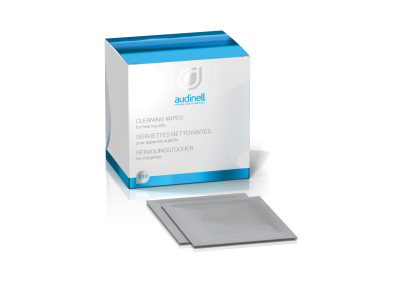
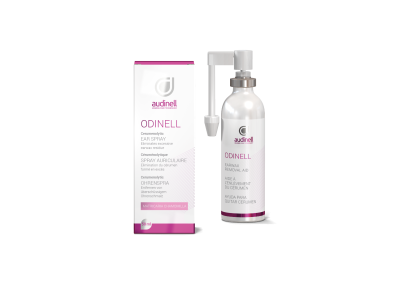
Cleaning wipes or spray for daily surface cleaning
Drying solutions (especially if you perspire a lot or live in a humid climate)
Small brushes and loop tools for removing debris around the sound outlet
As a rule of thumb, replace domes regularly (often every few weeks depending on wear) and change wax filters whenever sound gets muffled or after heavy wax exposure.
Common Interton accessory problems (and quick fixes)
Whistling/feedback: Try a larger dome or a more closed style; check that the dome is pushed fully onto the receiver/tube.
Muffled/weak sound: Replace the wax filter; check for blocked dome; clean microphone openings.
Dome keeps falling off: Ensure the dome is the correct connection type and is fully seated; consider replacing worn domes more frequently.
Intermittent sound: Replace wax filter and dome; if it continues, the receiver or cable may be damaged.
Buy Interton hearing aid accessories with confidence
Once you know your Interton hearing aid style (RIC/RIE vs BTE) and you match the same dome connection and wax filter system you currently use, choosing the right accessory is straightforward. If you’re uncertain, compare your existing dome and wax filter to the product photos and descriptions, and prioritize exact system matches over “similar” parts.
FAQ: Interton accessories & compatibility
Are Interton domes universal?
No. Interton domes must match the correct attachment system (receiver vs thin tube) and the correct size. Even if two domes look similar, the connection can differ.
How do I know which Interton wax filter I need?
Match the wax filter to the one currently in your hearing aid (same shape and same style of dispenser/tool). If you don’t know the type, remove the old filter and compare it closely before ordering.
How often should I replace Interton domes and wax filters?
Domes are typically replaced every few weeks (or sooner if they discolor, harden, or loosen). Wax filters should be changed whenever sound becomes muffled or after heavy wax buildup—many users replace them every few weeks as preventative maintenance.
Can I replace an Interton receiver myself?
Many Interton RIE/RIC receivers are designed to be replaceable, but you must select the correct system, side, length, and power level. If you’re unsure or your hearing aid is under warranty, contact your hearing care provider before changing core components.