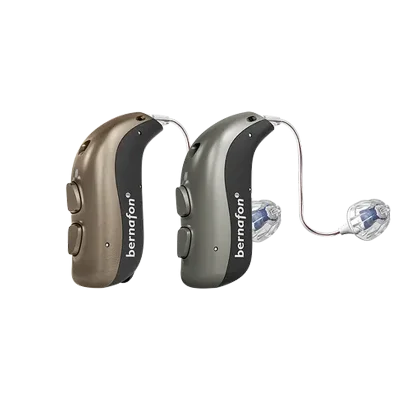
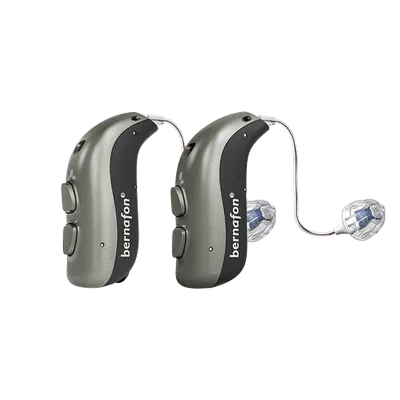
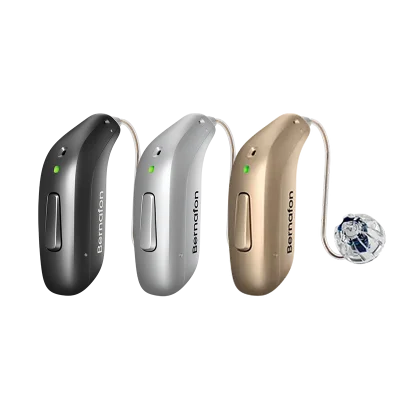
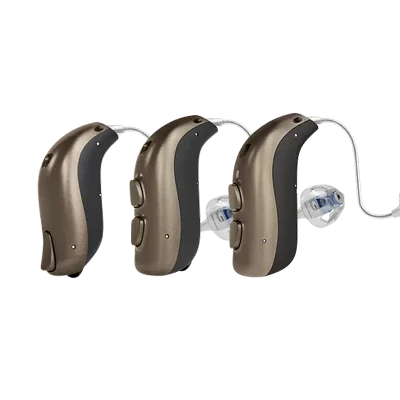
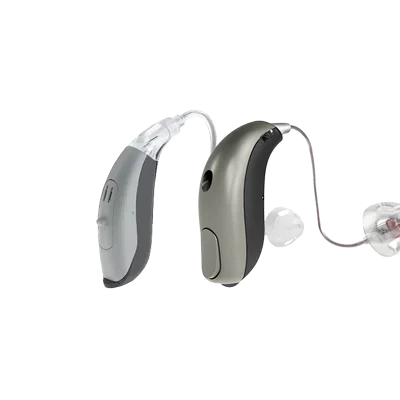
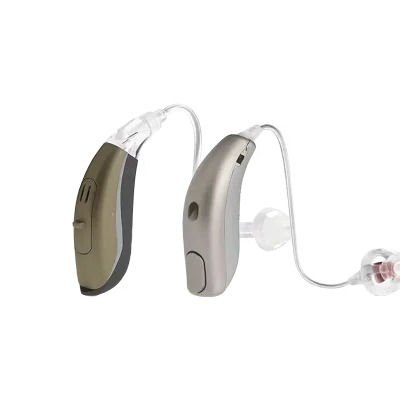
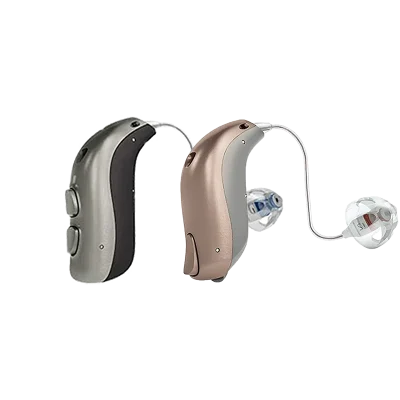
Reciever In The Ear (RITE)

Bernafon Receiver-in-the-Ear (RITE) Receivers | Compatibility & Selection Guide

If you’re looking for a Bernafon Receiver-in-the-Ear (RITE) receiver, the key is getting the exact compatible receiver type for your Bernafon hearing aid—plus the correct power level and wire length. This guide explains what Bernafon RITE receivers are, how compatibility works, and what to check before you buy so you avoid poor sound, discomfort, or an incorrect fit.

What is a Bernafon RITE receiver?
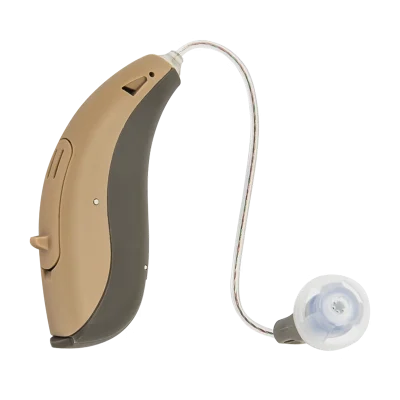
A Bernafon RITE receiver (Receiver-in-the-Ear) is the speaker unit that sits in your ear canal, connected to the hearing aid by a thin wire. In RITE/RIC hearing aids, the receiver is separate from the main housing, which often improves comfort and sound quality compared to older “tube” styles.
Because the receiver is a wearable part, it can wear out over time (moisture, wax, cable fatigue). Replacing the receiver restores sound and keeps your Bernafon system working as intended.

Bernafon RITE compatibility: what matters (and what doesn’t)
Bernafon receiver compatibility is not universal. Even if two receivers look similar, they may not fit your model or connect correctly. Before choosing, focus on these factors:

1) Hearing aid platform/model compatibility
The most important factor is whether the receiver is designed for your specific Bernafon hearing aid family/platform. If you are unsure, check your hearing aid documentation or the markings on the existing receiver.

2) Receiver power level
Receivers are available in different output levels (often described as standard/medium/power, depending on the system). Choosing the right power matters for both loudness headroom and sound quality. If your audiologist originally fitted a certain power level, it’s usually best to replace like-for-like.

3) Wire/receiver length (fit)
The wire length determines how the hearing aid sits behind your ear and how comfortably the receiver reaches into the ear canal. A wire that is too short can pull and cause feedback; too long can feel loose and shift position.

4) Left vs. right side
RITE receivers are typically side-specific (left/right). Always confirm you’re ordering the correct side—this affects both fit and how the wire routes around your ear.

How to identify which Bernafon RITE receiver you need
Use these quick checks to confirm you’re selecting the right replacement receiver:

Look for markings on the receiver: Many receivers have small codes indicating side (L/R), length, and power level.
Check your hearing aid fitting information: If you still have your fitting sheet or app details, it often lists receiver strength and length.
Compare the connector shape: Bernafon receivers must match the exact connection interface used by your device family.
If in doubt, match the exact part you already have: The safest method is replacing the same receiver type already fitted to your Bernafon hearing aid.

Receiver types and what they change in everyday use
Even within Bernafon RITE systems, receiver variations mainly affect:

Volume capacity and clarity: Higher power receivers can provide more output for greater hearing loss, but require the right dome/mold fit to avoid whistling.
Feedback risk: More power often increases the importance of proper ear coupling (correct dome size or custom mold).
Comfort and retention: Correct length and a secure dome help keep the receiver seated for stable performance.

Common problems with Bernafon RITE receivers (and what to do)

No sound or sound cuts in/out
This may indicate a failing receiver or a damaged wire. Before replacing, check that wax protection is not blocked and that the receiver is firmly attached. If the issue persists, a replacement receiver is often the fix.

Whistling (feedback)
Feedback is usually caused by a poor seal (dome too small, receiver not seated) or a receiver power level that isn’t matched to the fitting. Re-check dome size and insertion depth. If you recently changed receiver type/power, confirm compatibility and fitting settings.

Muffled sound
Muffled sound can be caused by wax blockage (wax filter) or moisture in the receiver. Replace wax filters first if your Bernafon setup uses them; if the problem remains, the receiver may need replacement.

Buying Bernafon RITE receivers online: what to confirm first
To buy confidently, confirm:

Your Bernafon hearing aid model/family
Left or right receiver
Receiver power level
Wire length

Once those match, you’re on the right page to choose a compatible Bernafon RITE receiver.

FAQ: Bernafon RITE receivers

Are all Bernafon RITE receivers interchangeable?
No. Bernafon receivers must match the correct platform/connector type, and you still must choose the correct side, length, and power level.

Can I change to a stronger receiver than I have now?
Sometimes, but it’s not always recommended without professional guidance. A stronger receiver can increase feedback risk and may require fitting adjustments and changes to domes or molds.

How do I know the correct receiver length?
The length is often printed on the receiver or can be found in your fitting information. If you’re comfortable with the current fit, ordering the same length is usually best.

Do I need new domes or wax filters when replacing a receiver?
Not always, but it’s often a good idea to check them at the same time. Worn domes affect comfort and seal, and clogged wax filters can mimic receiver failure.

Tip: If you can share a photo of your current receiver markings (L/R, length, power) or your hearing aid model name, it becomes much easier to confirm the exact Bernafon RITE receiver you need.