Unitron

Unitron Hearing Aid Accessories Compatibility Guide (Cables, Domes, Receivers & Filters) | Japebo

If you’re looking for Unitron hearing aid accessories, the most important step is making sure the part is compatible with your exact Unitron hearing aid (and speaker or earmould setup). This guide helps you identify which Unitron domes, receivers/speakers, wax filters, and cables you may need, what to look for before you buy, and the common fit issues to avoid.

How Unitron accessory compatibility works
Unitron accessories are not “one-size-fits-all”. Compatibility is usually determined by:

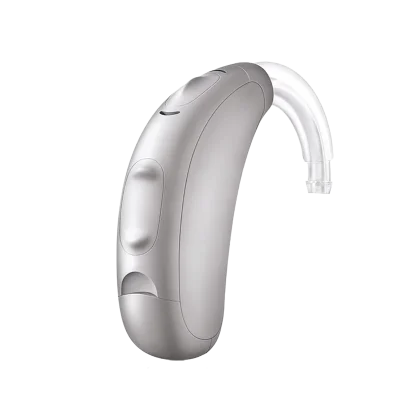
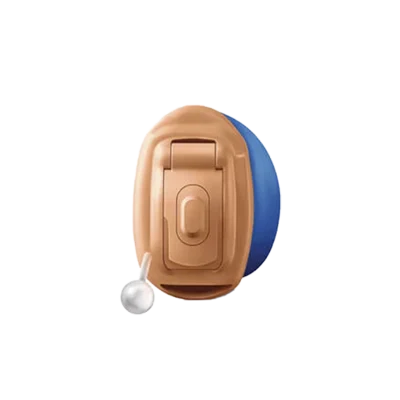
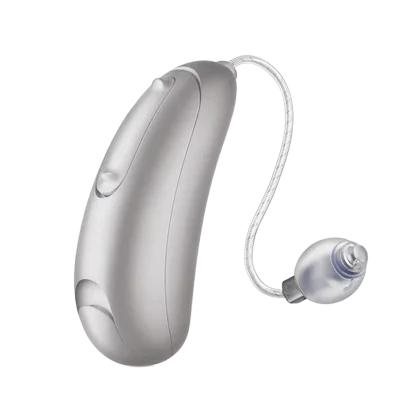
Hearing aid style (RIC/RITE vs BTE vs custom)
Speaker/receiver system (the receiver type and its connection)
Dome connection (the dome must fit the receiver nozzle)
Filter system (the wax guard type used in the receiver or custom mould)

To choose correctly, start by identifying your Unitron model name (often shown in your paperwork or app), then check whether your device uses a receiver-in-canal (RIC/RITE) speaker and which receiver family it belongs to. If you’re unsure, compare your current parts (dome shape, receiver plug, filter type) to the replacement product images and descriptions.

Unitron domes: what they are and how to choose
Unitron domes are the soft silicone tips that sit in the ear canal on many Unitron RIC/RITE hearing aids. The right dome affects comfort, sound quality, feedback, and how securely the hearing aid stays in place.

Common Unitron dome types

Open domes: more ventilation and a natural sound; often used for milder losses.
Closed domes: more bass and less whistling than open; moderate ventilation.
Power domes / double domes: stronger seal for more power and reduced feedback.
Tulip domes: flexible seal that can be a comfort alternative for some ears.

Choosing the correct Unitron dome size
Dome sizes typically range from small to large. If your current dome feels loose, falls out, or causes feedback, you may need a different size or type. If it feels blocked or uncomfortable, you may need a more open type or smaller size.

Unitron receivers/speakers: matching the right connection and power
The Unitron receiver (speaker) is the part that carries sound into the ear. Receiver compatibility is strict: the connector must match your Unitron hearing aid, and the receiver strength must match your fitting.

What to check before buying a Unitron receiver

Receiver family/connection type: must match your hearing aid model.
Power level (e.g. standard vs power): should match what you already use unless your hearing care professional changed your fitting.
Length (left/right and size): printed on many receivers or noted in fitting paperwork.

If your sound is cutting in and out, the receiver cable is discoloured, or the sound is weak even after cleaning and changing filters, a receiver replacement is often the correct fix.

Unitron wax filters (wax guards): keeping sound clear
Unitron wax filters (also called wax guards) protect the receiver opening from earwax and moisture. A clogged filter is one of the most common reasons for weak or muffled sound.

How to identify the right Unitron wax filter
Filter systems vary by receiver/mould type, so the safest method is to match the exact filter type you currently use. If your current wax guard tool and filters don’t match the replacement system, it likely won’t fit.

When to change Unitron wax filters

Sound becomes muffled or quieter than usual
One side is noticeably weaker than the other
You can see wax or debris at the sound outlet

As a general rule, many users replace filters every few weeks, but frequency depends on earwax and moisture levels.

Unitron cables and maintenance accessories
The term “Unitron cable” is often used for receiver wires (RIC cables) or specific connection parts used with certain setups. If you’re replacing a cable/receiver assembly, confirm the exact hearing aid model and the connector type so the new part clicks in securely and sits correctly behind the ear.
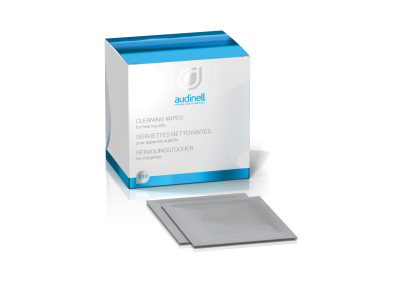
For best performance, combine correct parts with regular maintenance: keep domes clean, change wax filters on time, and store hearing aids dry (especially if you perspire or live in a humid climate).

Troubleshooting: common Unitron accessory problems
Whistling or feedback

Try a larger dome size or a more closed/power dome
Check for a poor seal or if the dome is not fully attached
Replace wax filters if blocked (blockage can cause feedback)

Muffled or weak sound

Replace the wax filter first
Check the dome for wax or tears
If issues persist, the receiver may need replacement

Dome keeps falling off

Confirm the dome is designed for your receiver nozzle
Replace stretched or worn domes
Consider a different dome style for a more secure fit

Buy Unitron accessories with confidence
When you choose the right Unitron hearing aid accessories, you get better comfort, clearer sound, and fewer interruptions. If you match the part to your current setup (receiver type, dome connection, and filter system), you can order with confidence and avoid incompatible returns.

FAQ: Unitron accessories
Are Unitron domes universal?
No. Domes must match the receiver nozzle/connection used by your Unitron receiver system. Always match your current dome type and attachment style.

How do I know which Unitron receiver I need?
Check your current receiver for markings (length/power), compare the connector shape, and match the receiver family specified for your Unitron model. If in doubt, replacing “like-for-like” is the safest approach.

Can I use a different wax filter type if it looks similar?
Usually not. Wax guard systems are designed to fit specific receivers or moulds. If the tool and filter don’t match your current system, it may not fit or may not protect properly.

How often should I replace Unitron domes?
Many users replace domes every 1–3 months, but replace sooner if they tear, harden, discolor, or no longer fit securely.

What if I’m not sure which Unitron accessory fits?
Use your current accessory as a reference (photos help), and verify your Unitron model name and setup (RIC/BTE/custom). Choosing the exact same type you already use is the safest starting point.