
Products
RIC Instrument Unitron Guide | Compatibility, Parts & Choosing the Right Accessories
If you’re looking for RIC instrument Unitron parts or replacements, the main challenge is usually compatibility: which receiver, dome, and wax filter setup fits your specific Unitron hearing aid and gives the sound and comfort you expect. This guide explains what a Unitron RIC (Receiver-in-Canal) instrument is, which accessory types are typically used with Unitron RIC models, and how to choose the correct option with confidence.
What is a Unitron RIC instrument?
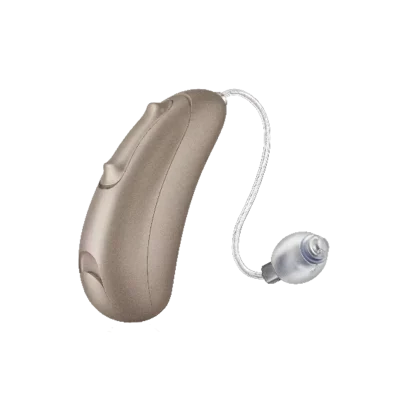
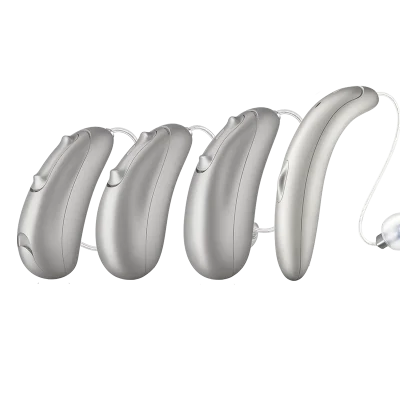
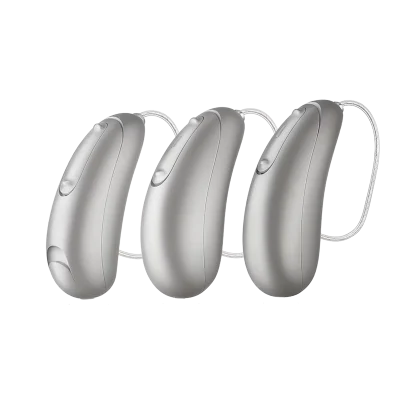
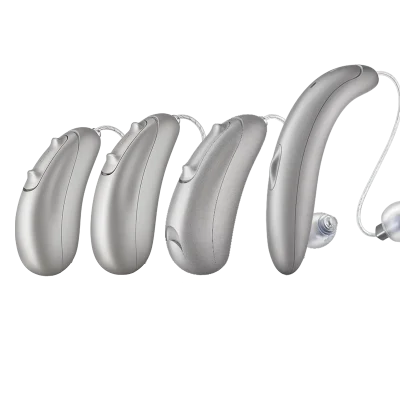
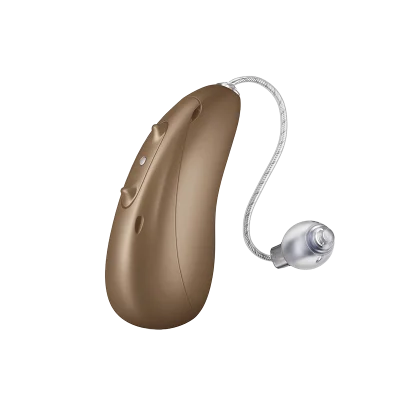
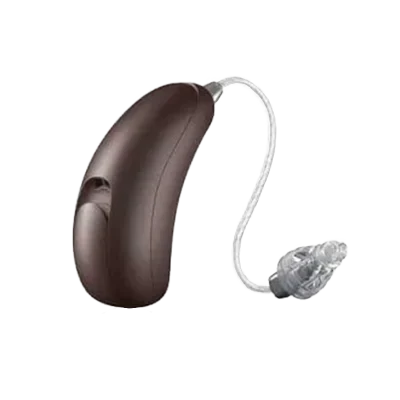
A RIC instrument (Receiver-in-Canal) is a style of hearing aid where the main body sits behind the ear while the receiver (speaker) sits in the ear canal, connected by a thin wire. Many Unitron behind-the-ear models use this RIC layout because it can be discreet, comfortable, and flexible across different hearing losses.
With a Unitron RIC instrument, the parts users most often replace are:
Domes (earpieces that sit on the receiver)
Wax protection (filters/guards that help prevent earwax from blocking sound)
Receivers (the speaker unit on the end of the wire)
How compatibility works for Unitron RIC instruments
Unitron accessory compatibility is determined less by the “RIC” label and more by the receiver platform and the earpiece system used on your specific Unitron model. In practice, you’ll typically need to match:
Receiver type/platform (the connection and form factor used by your Unitron hearing aid)
Receiver length (how long the wire is for left/right ear)
Receiver power level (standard, medium, power—varies by fitting)
Dome/earpiece type (open vs closed vs power, and size)
Wax protection system (the specific guard/filter design used on your receiver)
If you are unsure, the safest approach is to identify the receiver information from the existing part (often printed on the wire/receiver) or confirm the exact hearing aid model with your hearing care professional.
Unitron RIC instrument accessory types explained
Receivers (speaker units) for Unitron RIC instruments
The receiver is the “speaker” that delivers sound into your ear canal. It’s the most important compatibility item because domes and wax guards usually depend on the receiver style you have.
You’ll typically choose a receiver based on:
Side (left or right)
Length (comfort and correct placement)
Power (your prescribed output level)
If you’ve been fitted with a particular receiver power level, changing power levels without professional guidance can affect sound quality and feedback management.
Domes for Unitron RIC instruments
Domes are soft silicone earpieces that attach to the receiver. They affect comfort, sound balance, and feedback. Common dome styles include:
Open domes: more ventilation, often more natural sound and comfort; can reduce “plugged ear” feeling
Closed domes: more bass and less sound leakage; may help if you need more amplification
Power domes: more sealing; used when you need stronger output and stable retention
Dome size matters for retention and comfort. If the dome feels loose or falls out, try a larger size; if it feels sore or tight, try smaller or a different style.
Wax filters/guards for Unitron RIC instruments
Wax protection helps prevent earwax and debris from blocking the receiver opening—one of the most common causes of muffled sound. Unitron RIC instruments may use specific wax guard designs depending on the receiver type.
Choose wax protection that matches your receiver system. If your current filter sits flush at the receiver tip and is removed with a small tool, it’s important to replace it with the same style rather than guessing, because the wrong filter may not fit securely or may block sound.
How to choose the right accessories for your Unitron RIC instrument
If you want the quickest way to buy the right part, follow this order:
Identify your Unitron hearing aid model (from paperwork, app, or your clinician).
Check the existing receiver for markings that indicate type, side (L/R), length, and power.
Match the wax protection system used on your current receiver.
Select dome style based on your current fit (open/closed/power) and comfort.
Adjust dome size if you have feedback, poor retention, or discomfort.
If you’re replacing multiple items at once, prioritize confirming the receiver type first; dome and wax filter choices usually follow from that.
Common Unitron RIC instrument issues (and what to try first)
Sound is weak or muffled
Replace the wax filter/guard (most common fix).
Check the dome for blockage or tears and replace if needed.
If still muffled, the receiver may be failing and could need replacement.
Whistling or feedback
Try a larger dome size or a more closed dome style.
Make sure the dome is fully seated on the receiver.
Confirm the receiver sits correctly in the canal (wire length matters).
Dome keeps falling off or the fit feels insecure
Ensure you’re using the correct dome type for your receiver.
Move up one size or try a different dome style for better retention.
Intermittent sound or crackling
Inspect the receiver wire for damage.
Replace wax protection and dome first; if the problem persists, consider a receiver replacement.
Buy Unitron RIC instrument parts with confidence
Once you’ve matched your Unitron RIC instrument receiver system, selecting the correct domes and wax protection becomes much easier. If you’re unsure between two options, choose the part that matches what you already wear (same style/size), then adjust from there based on comfort or feedback.
Browse compatible accessories and replacements for your Unitron RIC setup to restore comfortable fit and clear sound.
FAQ: Unitron RIC instrument compatibility
What does “RIC instrument” mean for Unitron?
It means your Unitron hearing aid uses a Receiver-in-Canal design: the receiver (speaker) sits in your ear canal and connects to the hearing aid body behind the ear via a thin wire.
Are all Unitron RIC receivers the same?
No. Unitron RIC receivers can differ by platform/connection type, length, side (left/right), and power level. Accessories like domes and wax filters may also depend on the receiver type.
Can I use any dome on my Unitron RIC instrument?
Not always. Domes must fit the receiver’s attachment style and size. Even when compatible, the dome type (open/closed/power) changes the sound and feedback behavior.
How often should I change wax filters on a Unitron RIC instrument?
It depends on earwax production and daily use, but many users replace wax protection when sound becomes muffled or on a regular routine recommended by their clinician. If you notice reduced volume, replacing the wax guard is a good first step.
I’m not sure which receiver length I need—what should I do?
Check the marking on your current receiver wire/connector if available, or match the length printed on the existing receiver. If your receiver sits too shallow or pulls, the length may be wrong and you may need professional guidance.