


ReSound Vivia BTE 88 Accessories & Compatibility Guide | Japebo
If you’re looking for ReSound Vivia BTE 88 accessories, the most important thing is getting the exact parts that match your ReSound Vivia BTE 88. Small differences in hearing aid model and fitting style can change which items fit—especially for everyday replacements like domes, wax filters/guards, and retention parts. This guide explains what typically fits the ReSound Vivia BTE 88, how to identify what you need, and how to avoid the most common ordering mistakes.
What accessories are used with ReSound Vivia BTE 88?
ReSound Vivia BTE 88 is a behind-the-ear (BTE) hearing aid. Depending on how it is fitted (earmold, thin tube, or receiver-in-ear style), you may use different accessory types. The most common accessory categories users replace are:
Domes (if you use a thin tube/receiver-style open fit)
Wax filters / wax guards (primarily if sound exits near the ear canal via receiver or certain tubing solutions)
Retention locks / sport locks (help keep the receiver/dome in place)
Tubes (if your BTE uses thin tubes)
Earmold-related parts (if you use a custom mold rather than domes)
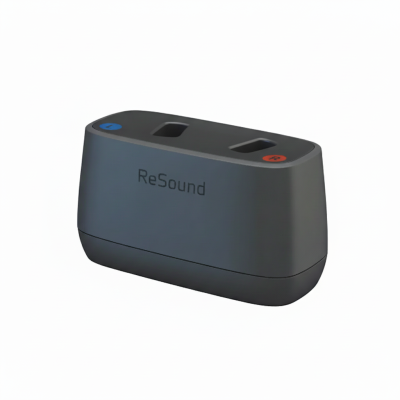
Batteries or rechargeable-related items (depends on your exact Vivia BTE 88 configuration)
Cleaning and care accessories (drying, cleaning tools, wipes)
The correct match depends on your fitting type and the sound outlet system on your device.
How to make sure an accessory is compatible with ReSound Vivia BTE 88
Use these checks before you buy:
Confirm the exact model name: “ReSound Vivia BTE 88” (not just “ReSound Vivia” or “ReSound BTE”).
Look at the end that goes into your ear: do you have a dome or a custom earmold?
Identify whether you have a thin tube or a receiver: a thin, clear/soft tube usually indicates tubing; a slightly thicker wire with a small “speaker” near the ear canal indicates a receiver.
Match the connector shape: ReSound systems can use specific dome/receiver/tube interfaces, so the attachment mechanism matters as much as size.
When in doubt, compare part numbers or bring your current part: the safest method is matching what you already use.
If you’re unsure, choosing based on the hearing aid brand alone can lead to the wrong fit. Compatibility is usually determined by the fitting system (tube/receiver) and the exact connection type.
Domes for ReSound Vivia BTE 88: types and how to choose
If your ReSound Vivia BTE 88 uses domes, you’ll typically be choosing between dome style and dome size:
Open domes: feel less occluding and can sound more natural for many users with mild-to-moderate loss.
Tulip domes: a middle-ground option that can improve retention and seal compared to open domes.
Closed domes: more seal, often used when you need more low-frequency amplification or less leakage.
Power domes: the most seal, often used for higher amplification needs.
How to pick the right dome: start by matching the same style you currently wear, then confirm the size (commonly indicated by diameter in mm). If your dome slips out, you may need a larger size or a retention lock. If it feels plugged or your own voice sounds boomy, you may need a more open style (only if your hearing care professional agrees it matches your fitting requirements).
Wax filters / wax guards: what they do and when you need them
Earwax is one of the most common causes of blocked or weak sound. A wax filter (wax guard) is a small replaceable barrier that protects the sound outlet (often the receiver) from wax and debris.
You likely need wax filters if:
your sound outlet sits close to the ear canal (typical in receiver-style fittings), and/or
your current tip/receiver has a visible removable filter system.
How to choose the correct wax filter: wax filters are not universal. The “right” one is determined by the receiver or sound outlet system you use. The safest approach is to match the exact filter type you currently replace (same color, shape, and dispenser/tool).
Retention locks, sport locks, and small parts that improve fit
If your ReSound Vivia BTE 88 dome feels secure some days and loose on others, a retention lock (sometimes called a sport lock) may help stabilize the receiver/dome in the ear.
Consider a retention lock if:
the dome works its way out during talking, chewing, or exercise
you frequently adjust the hearing aid because the tip moves
you get feedback whistles when the fit loosens
Retention parts must match the receiver/tip system, so treat them as compatibility-driven accessories—not generic add-ons.
Common ReSound Vivia BTE 88 issues and the accessory-related fix
Sound is weak or muffled: replace the wax filter (if present) and check for debris in the dome/tube.
Feedback (whistling): check for a poor seal (dome too small/too open), dome not fully seated, or a cracked tube.
Dome falls off: ensure the dome type matches the connector; consider a new dome (worn silicone can loosen) or a retention lock.
Intermittent sound: inspect for moisture, blocked outlet, or worn tubing; cleaning/drying accessories can help.
Where to buy ReSound Vivia BTE 88 accessories
At Japebo, you can find accessories intended to fit ReSound systems—such as domes, wax filters, retention parts, and cleaning items—so you can replace wear parts regularly and keep performance stable. If you’re not sure which variant you need, the quickest way to avoid mistakes is to match the accessory you already use (same shape/connection and size) or confirm the exact fitting system used with your ReSound Vivia BTE 88.
FAQ – ReSound Vivia BTE 88 accessories
Are ReSound accessories universal?
No. Even within the same brand, accessories can differ by receiver/tube system and connector type. Always match the accessory type to your ReSound Vivia BTE 88 fitting.
How often should I replace domes?
Many users replace domes every 4–12 weeks, depending on wear, earwax, and comfort. Replace sooner if the dome is discolored, stiff, torn, or no longer grips well.
How often should I replace wax filters?
It depends on earwax and usage. A common interval is every 2–8 weeks, or immediately if sound becomes weak/muffled and cleaning does not help.
I don’t know whether I have a tube or a receiver—how can I tell?
A thin, clear tube usually runs from the hearing aid down to the ear tip in tubing fittings. A receiver fitting often uses a thin wire, and you’ll see a small speaker module close to the ear canal.
Can I use a different dome style than I have now?
Sometimes, but it can change sound, comfort, and feedback risk. If you want to change from open to closed/power (or the other way around), it’s best to confirm with your hearing care professional to ensure it matches your prescribed fitting.