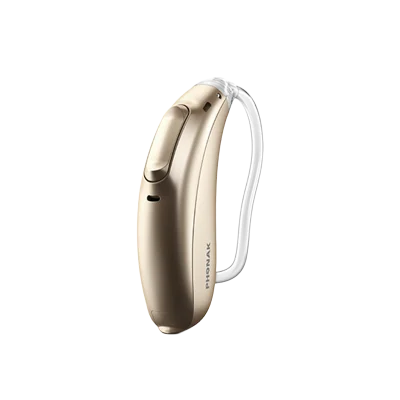
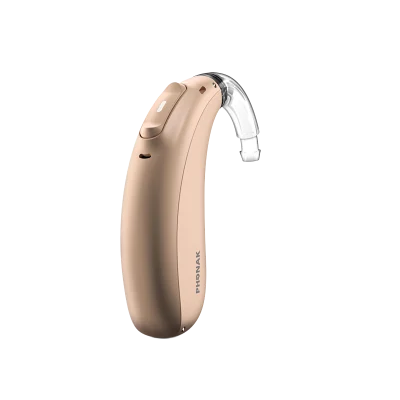
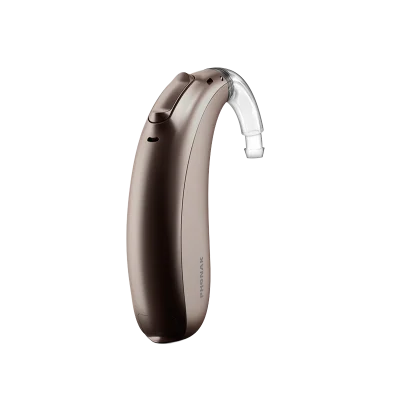
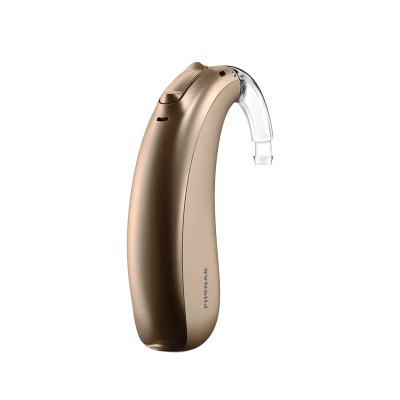
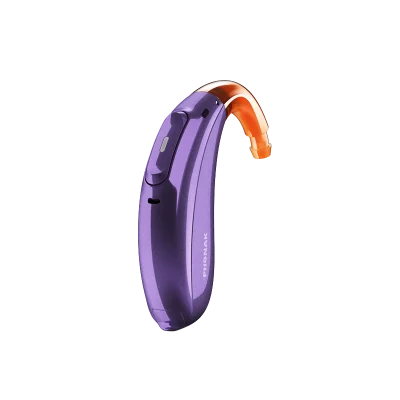
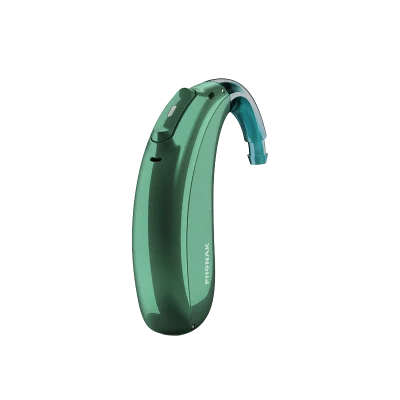
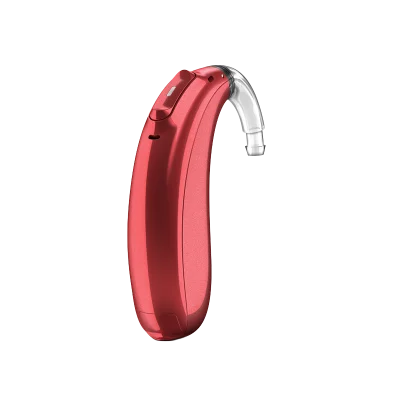
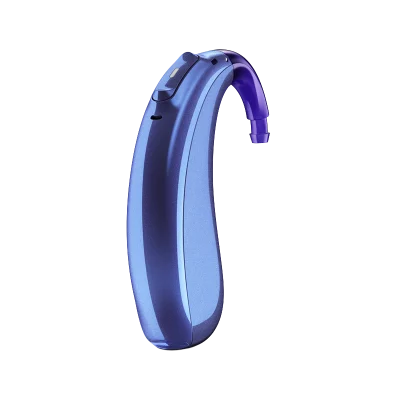
Phonak L BTE (Lumity) series

Phonak Lumity (L) BTE Hearing Aid Accessories & Compatibility Guide | Japebo

Looking for the right Phonak Lumity (L) BTE accessories? This guide explains what fits the Phonak L BTE (Lumity) series, how compatibility works, and how to choose the correct parts so your hearing aids stay comfortable, secure, and sounding clear.

What “Phonak Lumity (L) BTE” means (and why it matters for accessories)
Phonak Lumity (often shortened to Phonak L) is a platform used across several hearing aid styles. BTE (Behind-The-Ear) models sit behind the ear and connect to your ear via a thin tube or a receiver-in-canal cable, depending on the exact configuration.
Because Phonak uses different physical connections across BTE/RIC variants (tubes, hooks, thin-tube systems, receivers), accessory compatibility depends more on the fitting system than on the “Lumity” name alone. The goal of this page is to help you identify which type you have and pick accessories with confidence.

Which accessories are typically used with Phonak Lumity (L) BTE hearing aids
Most Phonak Lumity BTE fittings use one (or more) of these accessory types:
Domes (earpieces)
Domes are the soft silicone tips that sit in the ear canal. They affect comfort, retention, and sound (especially bass and feedback control). The correct dome type and size is one of the most important choices for day-to-day performance.

Tubes and earhooks
Many BTE models use a tube system (standard tubing or thin-tube). Tubes can harden over time, discolor, or become blocked with moisture/wax. Replacing them restores comfort and sound quality.

Receivers (if your “BTE” is a RIC-style fitting)
Some users refer to RIC devices as BTE because the housing sits behind the ear. If your device has a thin cable that ends in a small speaker in the ear, you likely use receivers rather than acoustic tubes. In that case, receiver type and power level must match your hearing aid and fitting.

Wax filters / wax guards
Wax protection prevents blockage of the sound outlet (common cause of sudden weak or “dead” sound). The correct filter type is specific to the receiver/earpiece system you use.

Retention solutions
If domes slip out or feel insecure, retention accessories (such as sport locks/retention tails) can help. Compatibility depends on the dome/receiver system.

Phonak Lumity (L) BTE compatibility: how to confirm you’re choosing the right parts
Use these quick checks before buying:

1) Identify whether you have a tube fitting or a receiver (RIC) fitting
Tube fitting: you see a clear tube running from the hearing aid to the ear. The tube may connect to an earhook and then to an earmould or dome/earpiece via thin-tube parts.
Receiver (RIC) fitting: you see a thin cable going into the ear, and the speaker sits in the ear canal. The cable usually has a small marking near the end (often length/power info).

2) Match connection type
Phonak parts are built around specific connection families. Even if two domes look similar, they may not lock onto the same receiver/tube. If you are replacing an existing part, match the exact family name printed on the packaging or confirmed by your hearing care professional.

3) Choose the correct size
Most domes come in multiple diameters. If you are between sizes, the best choice is the one that seals comfortably without pressure. A dome that is too small can whistle (feedback) or fall out; too large can cause soreness and an occluded (“plugged”) feeling.

How to choose the best Phonak Lumity (L) BTE accessories for your needs
If you want more comfort and an “open” feel
Look for open-style dome options (when appropriate for your hearing loss). These can reduce the blocked sensation and make your own voice feel more natural. They may not be suitable if you need more low-frequency amplification.

If you want more bass, fullness, or less feedback
A more closed dome or mould-style solution can improve low-frequency support and reduce feedback in some fittings. If you notice whistling when hugging someone, putting on a hat, or chewing, dome style and fit are often the first things to review.

If sound is weak or intermittent
Check wax protection and the sound outlet first. A blocked wax filter (or blocked tubing) is one of the most common causes of sudden volume drop.

If the hearing aid feels loose
Try a slightly larger dome size or a retention accessory designed for your dome/receiver system. Persistent looseness can also indicate that the receiver length or tube length is not ideal.

Common problems with Phonak Lumity (L) BTE fittings (and what usually fixes them)
Whistling / feedback
Often caused by a poor seal, worn dome, incorrect dome size, or wax blockage. Replacing the dome and checking wax protection is a good first step.

Itchy or sore ears
This can happen if a dome is too large, inserted too deeply, or if the material has stiffened with age. Switching dome style/size and replacing old domes regularly can help.

Muffled sound
Most commonly due to wax filters, blocked receivers, or blocked tubes. If changing the wax filter doesn’t help, the receiver/tube may need inspection or replacement.

Moisture issues
Condensation in tubing (tube fittings) can reduce sound. Regular tube replacement and proper drying routines can prevent recurring issues.

Buy Phonak Lumity (L) BTE accessories at Japebo
Japebo helps you find compatible accessories for your Phonak Lumity (L) BTE hearing aids so you can replace worn parts and keep your devices performing at their best. If you’re unsure which system you have, compare your current parts to the product photos/specifications and match the connection and size.

FAQ: Phonak Lumity (L) BTE accessories
Are all Phonak Lumity BTE accessories interchangeable?
No. “Lumity (L)” refers to a technology platform, but physical parts like domes, receivers, tubes, and wax filters depend on the specific fitting system and connection type.

How often should I replace domes on Phonak Lumity BTE hearing aids?
Many users replace domes regularly because they can stretch, harden, or tear. If comfort changes, feedback increases, or the dome looks worn, it’s time to replace it.

What is the most common reason for weak sound?
Wax blockage (filter or sound outlet) and moisture/blocked tubing are frequent causes. Replacing the wax filter (or tube) is often the quickest fix.

How do I know if I need tubes or receivers?
If you have a clear tube from the hearing aid to the ear, you need tube-related parts. If you have a thin cable with a speaker in the ear canal, you need receivers and receiver-compatible domes/wax filters.

Can I change dome type to improve sound?
Often, yes. Dome style affects openness, bass, and feedback. If you change dome type significantly, your hearing aid settings may also need adjustment for best results.