
Oticon Ria2 BTE Accessories & Compatibility Guide | Japebo
If you use an Oticon Ria2 BTE hearing aid and need the right accessories, this guide helps you choose correctly. Below you’ll find a clear compatibility overview for the Oticon Ria2 BTE series, explanations of the most common accessory types, and practical tips to avoid ordering the wrong parts.
What “BTE” means for accessories
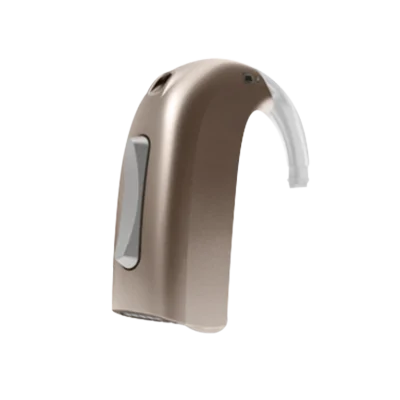
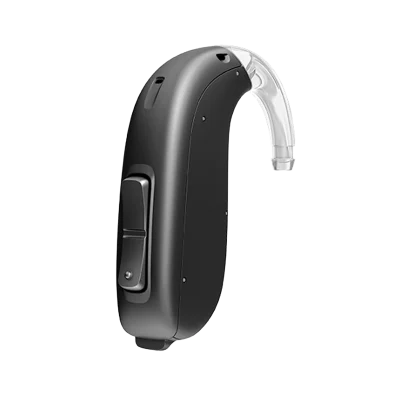
Oticon Ria2 models in the BTE (Behind-The-Ear) family typically use a sound tube and either an earmould or a thin tube with a dome. That means most accessory questions come down to: Do you have a standard tube + earmould setup, or a thin-tube + dome setup? Your correct accessories depend on this configuration.
Common Oticon Ria2 BTE accessory types
The most frequently replaced parts for Ria2 BTE instruments include:
1) Tubes (standard tubes or thin tubes)
Tubes carry sound from the hearing aid to your ear. Over time they can harden, discolor, or crack, which may reduce sound quality or cause feedback (whistling). If your Ria2 BTE uses a thin tube, you’ll also need to match the correct tube style and length so the fit is comfortable and secure.
2) Earhooks (for standard BTE tubing)
If your Ria2 BTE uses a classic earmould with standard tubing, it may have an earhook (the curved plastic part that the tube attaches to). Earhooks can wear out, loosen, or become blocked by debris. Replacing a worn earhook can fix poor retention and reduce feedback caused by leakage.
3) Domes (for thin-tube fittings)
If you have a thin-tube fitting, you likely use ear domes (open, tulip, or power/closed domes). Dome choice affects comfort, feedback control, and how much bass you hear. As a rule:
• Open domes feel airy and natural, best when you don’t need heavy bass amplification.
• Tulip domes provide a slightly more closed fit and can help if open domes whistle.
• Power/closed domes seal more and can improve bass and loudness, but may feel more “plugged”.
4) Filters / protection (model-dependent)
Depending on your exact Ria2 BTE configuration, there may be small protective parts to help prevent moisture and earwax from affecting sound output. If sound becomes weak or intermittent, a clogged protection component is a common cause.
How to choose the correct accessory for Oticon Ria2 BTE
Use these steps to reduce uncertainty before you buy:
Step 1: Check if you use a dome or an earmould
• If you have a dome, you’re in a thin-tube setup and should shop for compatible thin tubes and domes.
• If you have an earmould, you likely need standard tubing (and possibly an earhook).
Step 2: Identify left/right and size/length
Many tube and fitting parts come in left/right versions and different lengths. If your current tube has markings (numbers/letters), match them when reordering. If you’re between two lengths, the best choice is usually the one that sits securely without pulling the hearing aid off your ear or leaving excess slack.
Step 3: Match the coupling type
Some tubes connect via a specific connector/coupling at the hearing aid end. If the attachment style doesn’t match, the part won’t fit even if it “looks” similar. When in doubt, compare your existing part closely (or use the product photos/specs on the product page).
Common problems (and what accessory usually fixes them)
• Whistling / feedback: Often caused by poor seal (wrong dome type/size), hardened tubing, or a loose earhook/earmould fit.
• Weak or muffled sou