
Oticon Optim RITE Series Accessories & Compatibility Guide | Japebo
If you wear an Oticon Optim RITE series hearing aid, choosing the correct accessories (such as domes, receivers and wax filters) is essential for comfort, sound quality and reliable performance. This guide explains how Oticon Optim RITE series accessories typically fit together, what to check before you buy, and how to solve the most common issues—so you can confidently find the right replacement parts.
What is the Oticon Optim RITE series?
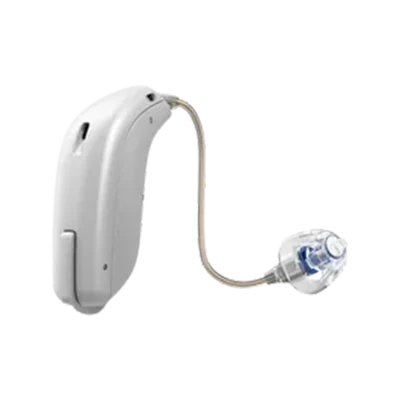
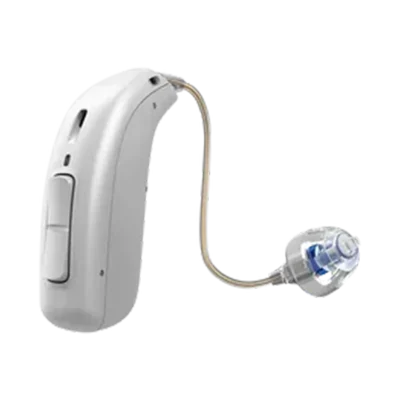
RITE (Receiver-In-The-Ear) hearing aids place the speaker (receiver) in the ear canal, connected by a thin wire to the hearing aid behind the ear. The Oticon Optim RITE series uses this modular setup, which means many wear parts can be replaced without changing the entire device—provided you choose the correct size and connector type for your specific model.
Which accessories are typically used with Oticon Optim RITE hearing aids?
Most Oticon Optim RITE fittings rely on a small set of replaceable parts. The exact options depend on your receiver type and ear coupling, but the most common accessory categories are:
Domes (open, vented, power, or bass styles) that sit on the receiver and determine comfort and acoustics.
Receivers (speaker units) in different power levels and wire lengths.
Wax filters / wax guards that protect the receiver from earwax and moisture.
Retention locks/sports locks (on some fittings) to improve stability in the ear.
How compatibility works for the Oticon Optim RITE series
Compatibility is usually determined by three practical checks:
Your exact Oticon model/family (the Optim RITE series can include multiple variants over time).
The receiver platform (connector style and receiver generation must match).
Physical size choices that are personal to your ear: dome size, receiver wire length, and sometimes retention piece size.
If you’re unsure, the safest approach is to match what you already use today (same dome style/size and same receiver markings) or confirm the part number from your hearing care professional.
Domes for Oticon Optim RITE: types and how to choose
Domes affect both comfort and sound. While naming can vary by market, these are the typical dome “families” you’ll see for RITE fittings:
Open domes (more natural, more ventilation)
Often chosen if you want a lighter feel and less “plugged” sensation. They can reduce occlusion (your own voice sounding boomy) but may provide less low-frequency amplification and can be more prone to feedback at higher gains.
Vented / bass domes (a balance of openness and power)
These give more low-frequency support than open domes while still allowing some airflow. They’re commonly used when you need a bit more fullness without moving to a fully closed coupling.
Power/closed domes (more seal, more amplification)
Used when you need more gain and a better seal to reduce feedback and improve bass response. They can feel more occluding for some users.
Choosing the right dome size
Dome sizing is mainly about a secure, comfortable seal. If the dome is too small, it may slip out or whistle (feedback). If it’s too large, it may cause soreness or feel blocked. If you are between