
Oticon Opn S RITE series accessories & compatibility guide | Japebo
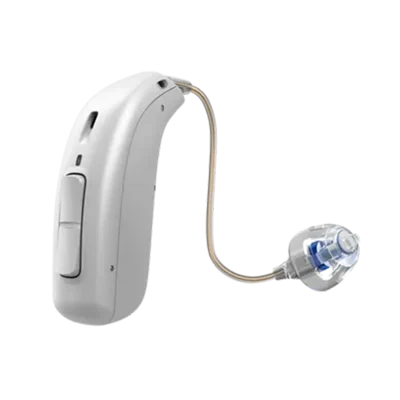
If you use Oticon Opn S RITE series hearing aids, choosing the right Oticon Opn S RITE accessories matters for comfort, sound quality, and reliable daily use. This guide explains what typically fits the Opn S RITE family, how to check compatibility before you buy, and how to solve common issues like feedback, poor retention, or reduced sound.
Important: Oticon accessories can look similar across models, but small differences (e.g., receiver type, dome size, or filter system) can affect fit and performance. If you’re unsure, match your current parts or check your hearing aid paperwork for the exact receiver and earpiece details.
What “RITE” means on Oticon Opn S
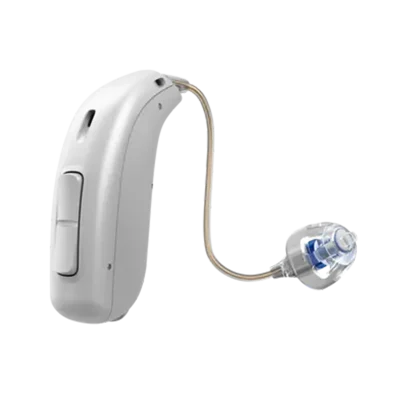
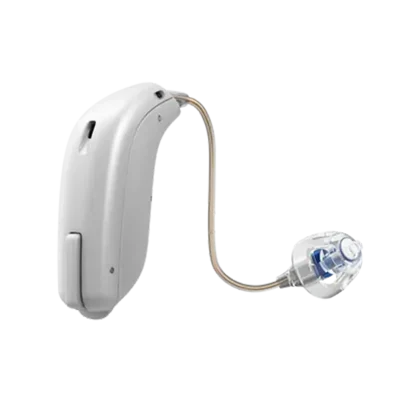
RITE (Receiver-In-The-Ear) means the speaker/receiver sits in your ear canal while the main hearing aid body sits behind the ear. For the Oticon Opn S RITE series, this usually means you will replace or maintain parts that sit closest to your ear, such as:
Domes (the soft tip that sits in the ear canal)
Receivers/speakers (the thin wire + speaker unit)
Wax filters/guards (protect the receiver from earwax and moisture)
Retention tails (optional stabilizers to help keep the dome in place)
Which accessories are typically used with Oticon Opn S RITE series
Most users will need a combination of domes, wax filters and (less often) a replacement receiver. The exact match depends on the receiver family fitted to your hearing aids and the type of earpiece you use (dome vs. custom mould).
Domes (ear tips)
Domes affect both comfort and acoustics. The “right” dome is the one that feels secure and helps the hearing aid deliver clear sound without whistling (feedback).
Common dome styles you may see for Oticon RITE fittings include:
Open domes – allow more natural outside sound in; often used for mild to moderate losses.
Vented domes – a middle ground where some openness remains but bass and stability can improve.
Power/closed domes – more sealing; often used when more amplification is needed or when feedback is an issue.
Receivers (speakers)
The receiver is the sound outlet and is connected via a thin wire. Receivers are chosen by type (the receiver platform), length (left/right and wire length), and power level (e.g., standard vs. stronger options). If you order the wrong type or length, it may not connect correctly or may not fit your ear comfortably.
Wax filters / wax guards
Wax filters protect the receiver opening from earwax and moisture. A clogged filter is a very common cause of low volume, muffled sound, or intermittent audio. If your Opn S RITE uses a receiver with a replaceable filter, make sure you buy the same filter system you already use.
Retention tails (sports locks)
If your dome works loose during the day, a retention tail can improve stability—especially during activity or when your ear canal shape makes retention difficult.
How to choose the correct Oticon Opn S RITE accessory
Use these checks to reduce the risk of ordering the wrong parts:
1) Match what you already have
The safest method is to compare your current dome, filter and receiver to the replacement you’re buying. If possible, keep the packaging (it often lists the exact model and size).
2) Identify whether you use domes or a custom mould
If you have a custom earmould, you may not use standard domes, and your wax protection system might differ. Custom mould users often still replace wax guards and occasionally receivers, but the earpiece options change.
3) Choose dome type based on sound and fit
If you experience whistling/feedback, you may need a better seal (vented or power dome) or a different size.
If your own voice sounds boomy/blocked (occlusion), a more open option may help (open dome or smaller size).
If the dome slips out, consider a larger size, a different style, or adding a retention tail.
4) Confirm receiver length and side
Receivers are side-specific (left/right) and come in different lengths. The wrong length can cause discomfort or poor microphone positioning behind the ear.
Common problems with Opn S RITE accessories (and quick fixes)
Muffled or weak sound
Replace the wax filter first (most common fix).
Check the dome for blockage, moisture or damage.
If problems persist, the receiver may be failing and need replacement.
Whistling / feedback
Try a different dome size or a more closed dome style.
Ensure the dome is pushed on fully and sits correctly in the ear canal.
Check for cracks in the dome or a loose receiver connection.
Dome feels uncomfortable or keeps falling out
Try a different size (comfort and seal depend heavily on size).
Consider adding a retention tail for extra stability.
If irritation continues, switch dome style/material or consult your hearing care professional.
Where to buy Oticon Opn S RITE series accessories
When you buy accessories for Oticon Opn S RITE series, choose parts that match your existing setup (receiver type, dome style/size, and wax filter system). Japebo makes it easy to reorder consumables like domes and wax filters so you can maintain consistent sound and comfort.
FAQ – Oticon Opn S RITE series accessories
How do I know which dome size I need?
The easiest way is to match the size you currently wear. If you’re between sizes, choose based on symptoms: slipping out often means going up a size; occlusion (blocked feeling) can mean going more open or down a size.
Do all Oticon RITE domes fit Opn S RITE?
Not necessarily. Oticon has used different dome/receiver platforms over time. Always confirm compatibility with your receiver type and the dome system currently fitted.
How often should I change wax filters?
It depends on earwax and moisture, but many users replace them every few weeks or whenever sound becomes muffled. If you notice recurring blockage, check and replace filters more frequently.
When should I replace the receiver?
If changing the wax filter and dome doesn’t restore sound, or if sound cuts in and out, the receiver may be damaged and need replacement. Physical signs include a stiff/broken wire or corrosion at the receiver end.
Can I switch from open domes to closed/power domes?
Often yes, but it can change how your hearing aids sound and how they’re tuned. If you make a big change in dome style, you may need a follow-up adjustment with your hearing care professional for best results.
