

Products
In-the-Ear Instrument (ITE) hearing aid accessories & compatibility guide | Japebo
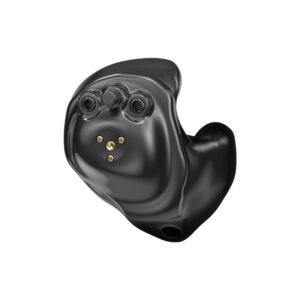
If you use an In-the-Ear Instrument (ITE) hearing aid, choosing the right accessories is mainly about matching your exact ITE style and manufacturer setup. Unlike most behind-the-ear systems, many ITE hearing aids have custom shells and model-specific parts, so compatibility depends on the hearing aid brand, the ITE variant (full-shell, half-shell, canal, etc.), and the sound outlet/receiver design.
This guide explains which accessories typically apply to ITE hearing aids, how to identify what you need, and how to avoid the most common ordering mistakes—so you can buy with confidence.
What is an In-the-Ear Instrument (ITE) hearing aid?
An ITE hearing aid sits in the outer ear and is usually made to fit your ear shape. Because the housing is often custom-made, external components are limited compared with behind-the-ear systems. Most “replaceable” ITE accessories focus on maintenance and hygiene, such as wax protection and cleaning tools, plus batteries (for non-rechargeable models).
ITE compatibility: what matters before you buy accessories
To make sure you’re on the right page and choosing the right accessory, confirm these details first:
1) Your hearing aid brand and exact model
ITE parts are frequently brand- and model-specific. The most reliable place to find compatibility info is your user manual, your hearing care professional’s documentation, or the model name on your purchase paperwork.
2) Your ITE style (full-shell, half-shell, canal, etc.)
Even within ITE, the physical size and outlet design can vary. This affects which wax guards/filters and maintenance tools fit and how they are replaced.
3) Wax protection system (wax guard type)
Many ITE hearing aids use a replaceable wax guard at the sound outlet to stop earwax from blocking sound. Wax guards come in multiple systems (shape, locking mechanism, and tool type), and they are not interchangeable.
Common accessories for ITE hearing aids
Depending on your model, these are the accessories you will most commonly need for an In-the-Ear Instrument (ITE):
Wax guards / wax filters (most important)
If your sound becomes weak, muffled, or cuts in and out, the first thing to check is often the wax guard. Replacing the wax guard regularly helps maintain sound quality and reduces service visits.
How to choose: Match the wax guard style exactly (same system name/shape). If you’re unsure, compare the current wax guard or consult your model documentation before ordering.
Cleaning and maintenance tools
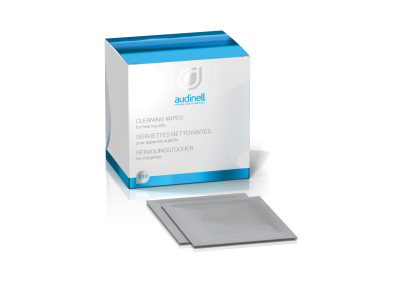
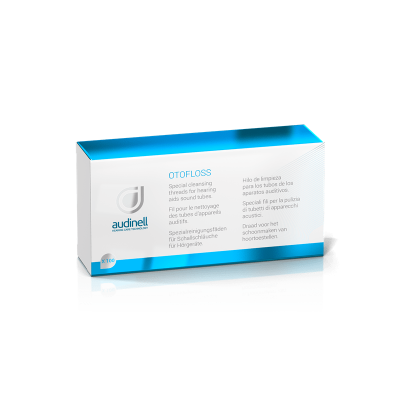
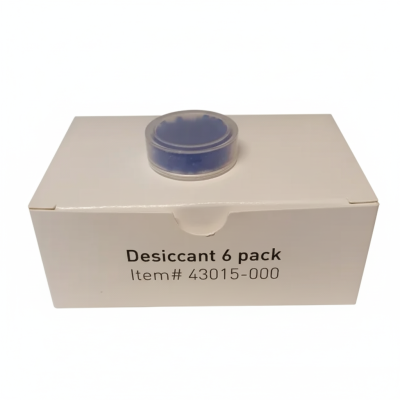
ITE hearing aids sit closer to earwax and moisture, so basic care matters. Common tools include cleaning brushes, wax loop/pick tools, and drying solutions (like drying capsules or a drying box) to reduce moisture-related issues.
Batteries (for non-rechargeable ITE models)
Many ITE models use disposable zinc-air batteries. The correct size is usually easy to confirm from the battery door or manual (commonly sizes 10, 312, 13, or 675 depending on device size). Using the correct battery improves runtime and reduces fit issues at the battery door.
Rechargeable considerations (for rechargeable ITE models)
If your ITE hearing aid is rechargeable, the battery inside is typically not user-replaceable. In those cases, accessories are more likely to be charger-related (depending on the brand) and maintenance-focused rather than replaceable acoustic parts.
How to choose the right ITE accessory (step-by-step)
Step 1: Identify the exact model name
Look in your app, paperwork, or user manual. If you have two hearing aids, confirm the model for each side (they’re usually the same, but not always).
Step 2: Check what’s currently in the hearing aid
For wax protection, inspect the outlet: if there’s a removable wax guard, match that system. For batteries, match the size number shown on the battery packaging or device documentation.
Step 3: Order based on compatibility—not appearance
Many wax filters look similar but fit differently. The safest approach is to order by the exact wax guard system name that your model uses.
Common ITE problems and what accessory usually fixes them
Muffled or weak sound
Most commonly caused by a blocked wax guard. Replace the wax filter and clean the sound outlet area as recommended for your model.
Intermittent sound / cutting out
This can be wax, moisture, or battery contact issues. Try a new battery (if applicable), replace the wax guard, and use a drying solution if you suspect moisture.
Short battery life
Often improved by using fresh batteries, storing them correctly, and ensuring you’re using the correct size. If battery life suddenly drops, check for blockage or moisture and consider a cleaning/drying routine.
Where to buy ITE accessories
At Japebo, we focus on making it easier to buy the right hearing aid accessories the first time. If you know your brand and model (or your wax guard system name), you can select compatible accessories without guesswork. If you’re still unsure, use your documentation and match the accessory type precisely before ordering.
FAQ: In-the-Ear Instrument (ITE) accessories
Are ITE hearing aid accessories universal?
No. Many ITE accessories—especially wax guards—are model-specific. Always match the exact system used by your hearing aid.
Do ITE hearing aids use domes?
Most classic ITE devices use a custom shell rather than replaceable domes. If your device uses domes, it’s often a different hearing aid style (e.g., RIC) or a special configuration. Confirm with your model documentation.
How often should I replace my wax guard?
It depends on earwax production and usage, but a common rule is to replace it when sound becomes muffled or during routine maintenance (often every few weeks). Follow your manufacturer’s recommendation.
What battery size does an ITE hearing aid use?
ITE models can use different sizes. Check your manual or the battery size you’re currently using (often 10, 312, 13, or 675).
What if I can’t identify my ITE accessory type?
Start with your hearing aid model name and look up the recommended wax protection system in the manual. If you can’t find it, compare your current wax guard visually and match the exact system name before purchasing.