
Products
Bernafon Alpha XT BTE series accessories & compatibility guide | Japebo
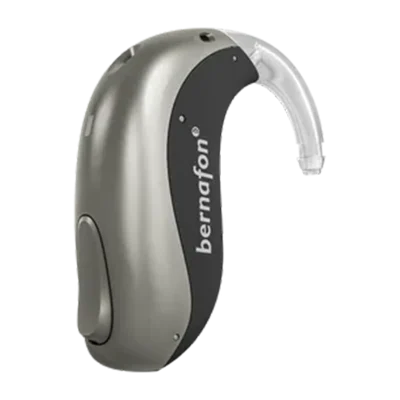
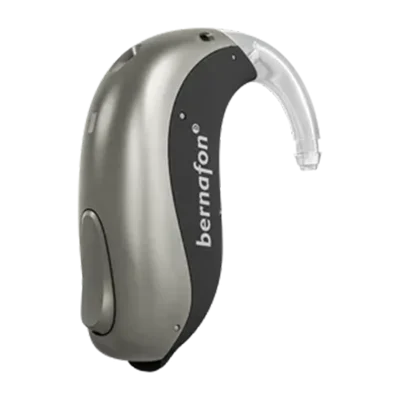
If you’re looking for Bernafon Alpha XT BTE series accessories, the most important step is confirming compatibility with your exact Bernafon Alpha XT behind-the-ear model. Small differences in speaker/earpiece setup can change which parts fit. This guide explains what typically matters (and what to check) so you can choose the right accessories with confidence.
What “BTE” means for Bernafon Alpha XT accessories
The Bernafon Alpha XT BTE series refers to behind-the-ear hearing aids where the main unit sits behind the ear. Depending on the specific Alpha XT BTE configuration, sound is delivered either through a thin tube to an earmold/dome or via a receiver setup. This is why accessories are not “one size fits all” across every BTE—fit is determined by the connection type at the ear and the sound outlet components.
Which accessories are most commonly needed
Most users shop for accessories to solve one of three problems: getting a better fit, improving sound comfort, or maintaining hygiene/uptime. For Bernafon Alpha XT BTE series hearing aids, the most common accessory needs include:
Earpieces (domes) or earmold-related parts to improve comfort and retention, reduce feedback, or adjust openness.
Wax protection and outlet maintenance consumables to prevent blockage, distortion, or reduced volume.
Cleaning and care items to keep sound pathways clear and reduce moisture-related issues.
How to choose the correct Bernafon Alpha XT BTE accessory
To make sure you’re buying the right part for your Bernafon Alpha XT BTE hearing aid, use the checks below before placing an order:
1) Identify your ear connection type
Look at the part that goes into your ear:
If you use a dome, note its type (open/vented vs more closed) and its size.
If you use an earmold (custom piece), compatibility is usually based on the tubing/hook setup rather than dome size.
2) Match the size and style you already wear (unless you’re intentionally changing fit)
If your current setup is comfortable and sounds good, the safest choice is typically a like-for-like replacement (same style and size). If you’re trying to solve a problem (feedback, loose fit, “plugged” feeling), switching dome type/size may help—but you should change one variable at a time so it’s easy to tell what improved.
3) Use your hearing care professional’s notes if available
Many fittings specify the dome type/size and the intended acoustic setup. If you have a fitting sheet or invoice listing your consumables, it’s a reliable shortcut to the correct accessory.
Accessory types explained (and what they change)
Open vs more closed ear tips
Open styles can feel more natural and reduce occlusion (the “my voice sounds boomy” effect).