Products
ITE Instrument | Japebo Guide to In-The-Ear Hearing Aid Accessories & Compatibility
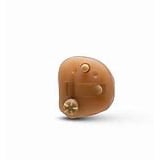
If you’re looking for ITE Instrument accessories, you’re in the right place. In-the-ear (ITE) hearing aids sit inside the outer ear and typically use model-specific parts such as wax protection, microphone protection, and battery/charging components. This guide explains what an ITE Instrument is, which accessory types are commonly used, and how to make sure you buy the correct replacement the first time.
What is an ITE Instrument?
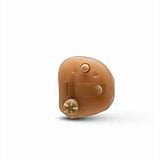
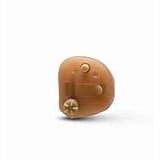
An ITE (In-The-Ear) instrument is a hearing aid style that is custom fitted to your ear and worn in the concha (the bowl of the outer ear). Because many ITE models are custom shells, compatibility is often more specific than for behind-the-ear styles. That means the safest way to choose accessories is to match them to your exact hearing aid model or to the accessory system used by that model.
Common ITE Instrument accessory types
Even though ITE designs vary by manufacturer and model, most users search for the same categories of replacements. Typical ITE Instrument accessory needs include:
Wax protection (wax guards / wax filters) to prevent earwax from blocking sound output
Microphone protection (filters or covers, depending on model) to reduce moisture and debris ingress
Batteries (for non-rechargeable ITE models)
Charging accessories (for rechargeable ITE models, if applicable)
Your exact ITE Instrument may not use all of the above, and some models use proprietary parts. If you’re unsure, use the identification steps below before ordering.
How to check compatibility for ITE Instrument parts
Because “ITE Instrument” describes a style rather than one single universal system, compatibility depends on what you’re replacing and which hearing aid you have. Use these checks to confirm you’re buying the right item:
1) Identify the hearing aid model name/number
Look for the model on the hearing aid paperwork, the app (if your hearing aid connects to a phone), or the label/engraving on the device. If you can provide the exact model, it’s much easier to match the correct wax protection or other filters.
2) Confirm the accessory system (e.g., wax guard type)
Wax guards are one of the most common replacements for ITE users, but they are not universal. If you still have the original packaging from your filters/wax guards, match the product name and reference number. If not, compare the shape and fitting method (push-in vs tool-based systems).
3) Match by reference number when available
If you see a number such as 450 on your existing accessory packaging or documentation, keep it for matching. Reference numbers are often the most reliable way to avoid ordering a similar-looking but incompatible part.
How to choose the right ITE Instrument replacement (quick decision guide)
If you’re not sure what you need, start with the problem you’re trying to fix:
Sound is weak, muffled, or cuts out → often a blocked wax guard/wax filter. Replace it first.
Device whistles/feedback increases → check for wax blockage and ensure the hearing aid is seated correctly; a fresh wax guard can help if the sound outlet is partially blocked.
Intermittent sound after moisture exposure → you may need microphone protection (if your model uses it) and ensure the device is fully dry before use.
Device won’t power on → check battery type and orientation (non-rechargeable) or the charger/contact points (rechargeable).
Where “beltone-ite” fits in
If your ITE hearing aid is associated with beltone-ite, treat this as an important clue for compatibility. “Beltone ITE” models may use parts that are specific to that product line (especially wax protection and filters). The safest approach is to match the exact Beltone ITE model or the original accessory reference indicated on your packaging (for example, a number like 450).
Tips to avoid ordering the wrong ITE Instrument accessory
Don’t rely on “ITE” alone: ITE is a style, not a universal standard.
Use your current part as a reference: packaging, tool style, and reference numbers are key.
Replace one component at a time when troubleshooting: start with wax protection before assuming the hearing aid needs service.
FAQ – ITE Instrument accessories
Are ITE Instrument wax guards universal?
No. Many wax guards look similar but use different sizes or locking systems. Match by model, original product name, or reference number where possible.
How often should I replace an ITE Instrument wax filter?
It depends on earwax production and usage, but many users replace wax filters every few weeks to monthly. If sound becomes muffled, replace the filter sooner.
What if I can’t find my model number?
Use your purchase paperwork, hearing aid app details, or any accessory packaging you still have. If you’re still unsure, compare the existing wax guard/tool type or contact support with clear photos of the hearing aid and the current filter.
Does “beltone-ite” guarantee the part will fit all Beltone ITE models?
Not necessarily. Product families can include multiple models that use different filter systems. Always confirm against your exact model or the original reference number (e.g., 450) if shown.
If you want to buy with confidence, start by identifying your exact ITE Instrument model (and any reference numbers like 450), then select the matching accessory. This avoids the most common issue with ITE accessories: ordering a part that looks right but doesn’t lock in or seal correctly.