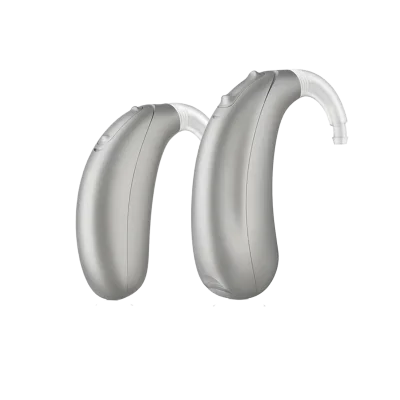
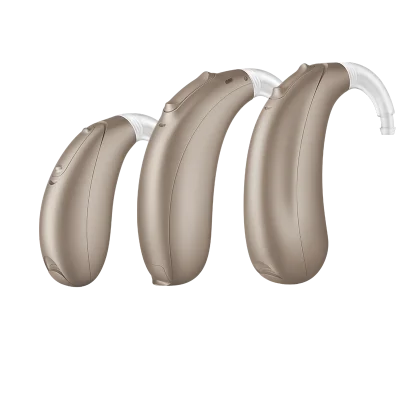
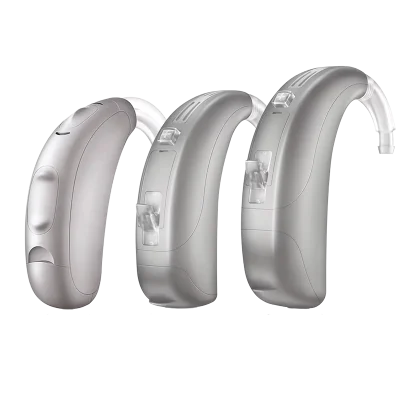
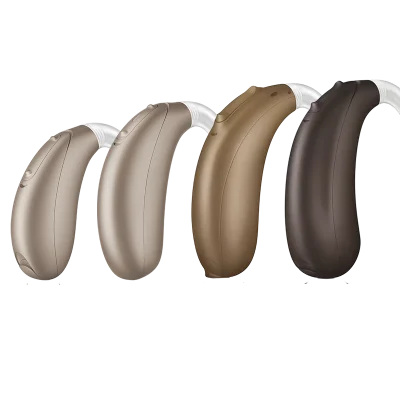
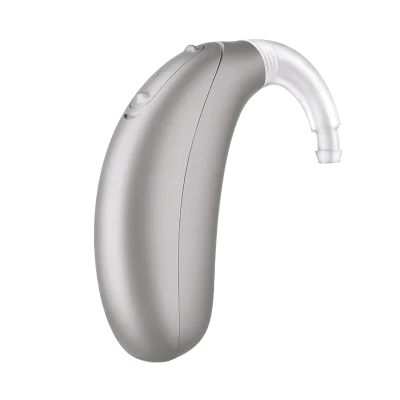
Behind The Ear Instrument (BTE)

Behind The Ear (BTE) Hearing Aid Accessories Guide – Compatibility & How to Choose

Behind The Ear Instrument (BTE) hearing aids are among the most common styles, and choosing the right BTE accessories is mainly about matching the exact type of sound outlet your device uses (tube + earhook, thin tube, or receiver-in-canal). This guide explains what “BTE” means, which accessories typically fit BTE hearing aids, and how to identify what you need so you can buy with confidence.

What is a Behind The Ear (BTE) hearing aid?
A BTE hearing aid sits behind the ear and routes sound into the ear canal. Depending on the model, sound is delivered in one of these common ways:

Classic BTE with earhook + tube (often used with a custom earmold)
Mini BTE / thin-tube (a slimmer tube ending in a dome)
RIC / RITE style (the speaker/receiver sits in the ear, connected by a thin wire)

Because “BTE” describes the wearing style—not a single connector standard—compatibility depends on the connector type and the system your hearing aid uses.

Which accessories are typically used with BTE hearing aids?
BTE hearing aids commonly use the following accessory types. What you need depends on whether you have a tube-based BTE or a receiver-in-canal (RIC) variant.

Domes (ear tips)
Domes are soft silicone tips that sit in the ear canal. They are typical for thin-tube BTE and RIC devices. Dome fit affects comfort, feedback (whistling), and sound balance.

Receivers (speakers)
If your BTE is a RIC/RITE type, it uses a receiver (speaker) on a wire. Receivers are highly model- and brand-dependent, and are usually chosen by power level (e.g., S/M/P) and wire length.

Tubes and earhooks
Classic and thin-tube BTE devices use a tube to guide sound into the ear. Classic BTEs also use an earhook (elbow) that the tube attaches to. Tube diameter and connector style must match your device and/or earmold.

Wax filters / wax guards
Wax protection is crucial for devices where sound exits close to the ear canal (especially RIC receivers). Wax filters help prevent blockage and sound drop-outs, but the correct type must match the receiver or sound outlet system.

Earmolds (for classic BTE)
Many classic BTE devices use a custom earmold. The earmold itself is custom-made, but you can often replace the tube and sometimes the earhook depending on the setup.

How BTE compatibility works (what to check before you buy)
To make sure you choose correct BTE accessories, identify these points first:

Is your device tube-based or receiver-based? Tube = plastic tube to the ear; receiver-based = thin wire with a speaker in the ear.
Look for markings on the receiver or wire (often includes size/power and left/right).
Check the connector at the hearing aid: earhook/tube connection vs receiver socket vs thin-tube connection.
Match size and side: domes (mm size), receivers (length + power), tubes (length/diameter).
If unsure, use your model name: the exact hearing aid model (not just “BTE”) is the fastest route to the right part.

How to choose the right BTE accessory (quick decision guide)
If you have whistling (feedback)
Feedback often improves with a more closed fit. Consider a larger dome size, a more closed dome type, or check if the dome is sitting fully on the receiver/tube.

If sound is weak or cuts out
First check for wax blockage. Replace wax filters (RIC) or check the tube for moisture/blockage (tube-based BTE). Persistent issues may indicate the receiver needs replacement.

If the fit is uncomfortable
Try a different dome size or style. Comfort issues are frequently solved by switching from a closed dome to an open dome (or vice versa) depending on your ear canal and hearing needs.

If speech sounds sharp or “tinny”
This can be related to dome type and venting. Open domes give a more natural own-voice for many users, while closed domes can boost bass and reduce leakage. If you are unsure, start by matching your current dome type and size.

Common BTE problems and simple fixes

Dome falls off: ensure it is fully clicked on; replace worn domes.
Moisture in tube: replace the tube or dry it; moisture can reduce volume.
One side quieter: compare wax filter/tube condition left vs right.
Intermittent sound on RIC: receiver wire may be damaged; consider a receiver replacement.

Where to buy BTE accessories
The safest way to order BTE accessories online is to match your exact hearing aid model and then select the accessory type (domes, receivers, tubes, earhooks, wax filters) that fits that system. If you already have the part, compare the shape, markings, and size to ensure a perfect match.

FAQ: Behind The Ear (BTE) accessories
Does “BTE” tell me exactly which accessories I need?
No. BTE describes the wearing style. Compatibility depends on whether your device uses a tube/earhook, thin tube, or a RIC receiver system.

Can I use any dome with a BTE hearing aid?
Not always. Domes must fit the specific receiver or thin-tube system. Even if two domes look similar, the inner connector can differ.

How often should I replace domes or wax filters?
Many users replace domes regularly as they wear and lose grip, and replace wax filters when sound drops or the filter looks blocked. Your usage and wax production affect frequency.

What should I do if I don’t know my hearing aid model?
Check the text printed inside the battery door or in your fitting paperwork. If you can, compare your current receiver/tube visually and note any letters/numbers printed on it.