Products
Phonak RIC Instrument (Receiver-in-Canal) Guide: Compatibility, Types & How to Choose
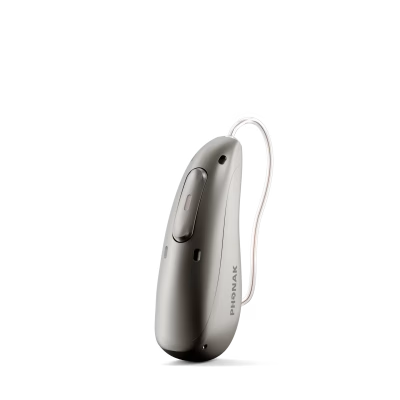
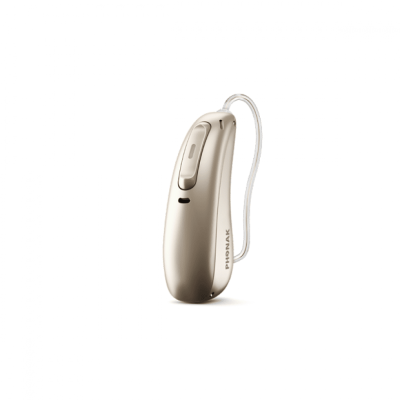
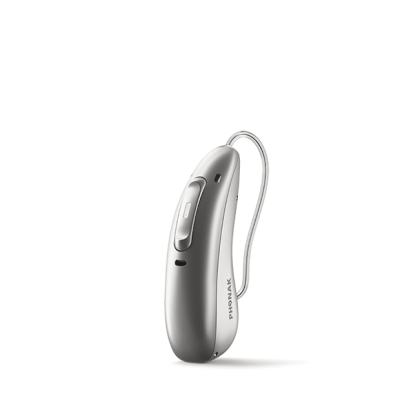
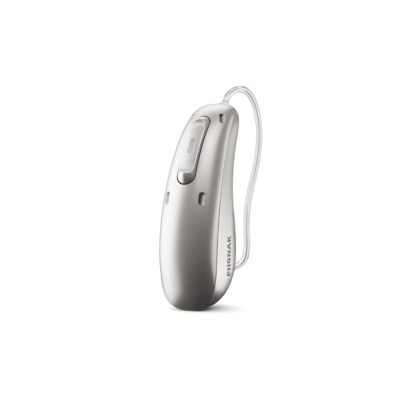
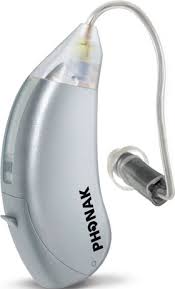
If you’re looking for a Phonak RIC instrument (Receiver-in-Canal), you’re in the right place. Phonak RIC hearing aids use a small housing behind the ear and a separate receiver (speaker) in the ear canal, connected by a thin wire. This design is popular because it’s comfortable, discreet, and easy to fine-tune—but it also means compatibility matters: the correct receiver connection, wire length, and ear-piece setup must match your Phonak model.
This page is a guide to Phonak RIC configurations and what to check before you buy, so you can choose confidently and avoid ordering the wrong part.
What “Phonak RIC” means (and why it affects what you need)
RIC (Receiver-in-Canal) is a hearing-aid style where the receiver sits in the ear, not inside the behind-the-ear case. For Phonak users, that usually means your setup involves:
Receiver type/series (the connector system used by your hearing aid family)
Receiver power level (how much amplification the receiver can deliver)
Wire/receiver length (for comfortable fit and correct microphone positioning)
Eartip style (domes) or a custom earmold
When one of these details doesn’t match, the receiver may not fit, may not connect, or may not sound right.
Which Phonak hearing aids use RIC receivers?
Many Phonak families include RIC models (often marketed under names like Audéo). However, not every Phonak hearing aid uses the same receiver connection. Over time, Phonak has used different receiver systems and generations.
The safest way to confirm what you need is to identify your receiver series or check your hearing aid documentation (model name and receiver details). If you already have a receiver installed, the exact type is often easiest to confirm by reading markings on the receiver/wire or matching the shape/connector to a known standard for your model family.
Phonak RIC receiver types: what can differ
Even within “Phonak RIC,” there are a few key differences that determine compatibility:
1) Connection / receiver series
Phonak receivers must match the connection used by your hearing-aid model. Receivers from different Phonak generations may look similar, but they are not always interchangeable. Always match the receiver series recommended for your specific device family.
2) Power level (receiver strength)
Phonak RIC receivers commonly come in multiple power levels (for example, standard vs. power). Your audiogram and fitting determine which you should use. Choosing the wrong power level can lead to poor clarity, insufficient volume, feedback (whistling), or discomfort.
3) Wire length
Receiver wires typically come in different lengths to suit different ear shapes and sizes. If the wire is too short, it may pull or sit incorrectly; if too long, it may protrude or feel loose. Correct length improves comfort and sound performance.
4) Ear-piece: domes vs. earmolds
Most Phonak RIC fittings use domes (open, closed, or power styles). Some fittings require a custom earmold for better retention, more low-frequency support, or higher power needs. The dome or mold must match both your receiver and your ear-canal needs.
How to choose the correct Phonak RIC instrument setup
Use these checks to make sure you pick the right option:
Confirm your exact Phonak model (found in your app, paperwork, or on the device).
Identify the receiver series/connection used by that model family.
Match the receiver power level to your current fitting (if you’re replacing, match what you already have unless your hearing care professional changed your prescription).
Choose the correct wire length based on your existing receiver or fitting notes.
Select the right dome or earmold type for comfort, retention, and sound (open for more natural airflow; closed/power for more sealing and bass support).
If you’re unsure between two options, it’s usually better to verify your current receiver markings or consult your fitting information before ordering.
Common Phonak RIC issues (and what they usually mean)
No sound or intermittent sound
This can be caused by a failing receiver, moisture, debris, or a blocked wax filter (if your setup uses filters). Replacing the receiver or checking the wax protection system often resolves it.
Whistling (feedback)
Feedback often points to a poor seal (wrong dome size/type), incorrect receiver power level, or a damaged dome/mold. A better-fitting dome or a different style can reduce feedback significantly.
Uncomfortable fit or receiver wire popping out
This typically indicates the wire length is incorrect, or the dome size isn’t stable in the ear canal. Correct wire length and a properly sized dome usually fix retention issues.
Buy Phonak RIC instrument parts with confidence
When you buy Phonak RIC-related parts, start with compatibility: match the receiver series, power level, and wire length to your hearing aid. Once those are correct, choosing the right dome or mold becomes much easier—and you’ll get better comfort and sound from your Phonak RIC setup.
FAQ: Phonak RIC instruments
Is “Phonak RIC” the same as “Phonak receiver”?
RIC describes the hearing-aid style and setup. The “receiver” is the specific replaceable speaker component used in most RIC fittings. A RIC setup always involves a receiver, but receivers vary by series, power, and length.
Can I use any Phonak receiver with my Phonak RIC hearing aid?
No. Phonak receivers must match the connection/series used by your exact device family, and you also need the correct power level and wire length.
How do I know my receiver wire length?
The simplest approach is to match the length of your current receiver/wire. If you no longer have it, your hearing care professional may have the receiver length recorded in your fitting notes.
Do I need open, closed, or power domes?
It depends on your hearing loss and comfort needs. Open domes feel more vented and natural; closed or power domes seal more and can provide stronger low-frequency support and reduce feedback.