
Products
Phonak Nathos Auto BTE Accessories & Compatibility Guide | Japebo
If you use a Phonak Nathos Auto BTE hearing aid, choosing the right accessories (like tubes, earhooks, earmould parts, and cleaning/wax protection) is the quickest way to keep your sound stable and your device comfortable. This guide explains Phonak Nathos Auto BTE compatibility, what to look for when replacing parts, and how to avoid buying the wrong fit.
What “BTE” means for Phonak Nathos Auto accessories
BTE (Behind-The-Ear) hearing aids sit behind the ear and send sound into the ear via either a tube to an earmould or a thin tube to a small earpiece. Because of that, Nathos Auto BTE users most often replace:
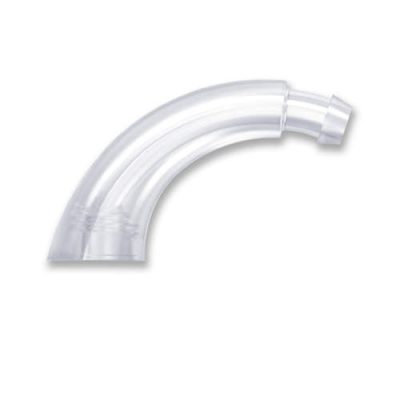
Tubes / slim tubes (when sound becomes weaker, tubing hardens, or fit/comfort changes)
Earhooks (if the hook is cracked, loose, or whistling increases)
Earmould parts (if you use a custom mould)
Cleaning and drying accessories (to reduce moisture-related issues)
Wax and moisture protection (depending on your ear-coupling setup)
How compatibility works for Phonak Nathos Auto BTE
For Phonak Nathos Auto BTE, compatibility is usually determined by how sound is coupled to your ear, not just the hearing aid model name. Before ordering accessories, identify which of the following you have:
1) Standard tube + earmould setup
This setup uses a thicker tube and a custom earmould. These users typically need replacement tubing (by diameter) and sometimes an earhook. Small differences in tubing size can affect comfort and feedback (whistling), so matching the existing tubing is important.
2) Thin tube / slim-tube setup
Some BTE fittings use a thinner, more discreet tube to a small earpiece. In that case, the key is matching the exact slim-tube type and length used on your Nathos Auto BTE.
3) Custom earmould details
If you wear a custom earmould, there are often additional variables (mould style, venting, tubing type). The hearing aid is only part of the equation—the mould and tubing determine what replacement parts you need.
How to choose the right Nathos Auto BTE accessory (quick checklist)
Use this checklist to reduce uncertainty before purchasing:
Check your current part: many tubes/hooks have markings or a recognizable shape that helps match replacements.
Match left/right if applicable: some tube systems are side-specific.
Measure tube length (thin-tube systems): the wrong length can pull, cause soreness, or reduce retention.
Confirm tube diameter (standard tubing): the wrong diameter can leak sound and increase feedback.
Consider your symptoms: whistling, weak sound, intermittent sound, or discomfort usually points to a specific part.
Common problems (and which accessory usually fixes them)
Sound is weaker or muffled
Most commonly caused by blocked tubing, moisture, or a partially blocked ear-coupling. Replacing tubing and improving drying/cleaning routines often restores clarity.
Whistling / feedback increased
Often linked to poor seal, hardened tubing, a cracked earhook, or a fit issue with the earmould. Replacing the tube/earhook (and ensuring the mould sits correctly) is the usual first step.
Intermittent sound
Moisture in the tube or a damaged coupling component can cause dropouts. Consider replacing tubing and using a drying solution regularly.
Discomfort around the ear or in the canal
If the tube length is wrong, hardened, or pulling, comfort quickly declines. Matching the original length/shape and replacing aged parts usually helps.
Where to buy Phonak Nathos Auto BTE accessories
At Japebo you can find replacement accessories intended for Phonak Nathos Auto BTE fittings. For best results, match your current configuration (standard tube + earmould or slim-tube) and choose replacements based on the part you already have.
If you are unsure which component you use, compare your existing tube/hook to the product photos/specs, or choose based on the setup your hearing care professional fitted.
FAQ: Phonak Nathos Auto BTE accessories
Are all Phonak BTE accessories compatible with Nathos Auto BTE?
No. “BTE” describes the style, but compatibility depends on the tube system, earhook type, and earmould/tubing dimensions. Always match the accessory to your exact coupling setup.
How often should I replace tubing?
It depends on wear, skin oils, and moisture exposure, but tubing is typically replaced when it becomes hard, discolored, uncomfortable, or when sound quality drops.
My hearing aid whistles—do I need a new hearing aid?
Not necessarily. With Nathos Auto BTE fittings, whistling is often caused by tubing/earhook wear or a seal/fit issue. Replacing the worn accessory components is a common fix.
How do I know if I have a slim tube or standard tube?
A standard tube is thicker and typically connects to a custom earmould. A slim tube is thinner and more discreet, usually ending in a small earpiece. If you’re unsure, check whether you have a custom mould (standard tube is common) or a small earpiece (slim tube is common).
Can I replace these parts myself?
Many users can replace external parts like tubing or hooks, but if you are unsure or your fit changes, it’s best to confirm with a hearing care professional to avoid feedback and comfort issues.