

Oticon Siya miniRITE
Oticon Siya miniRITE accessories & compatibility guide | Japebo
If you use an Oticon Siya miniRITE hearing aid, the most important thing when buying parts is compatibility: the right dome, wax filter, and receiver must match your exact miniRITE setup. This guide explains which Oticon Siya miniRITE accessories you may need, how to identify the correct type/size, and what to do if you’re unsure—so you can replace worn parts safely and restore comfort and sound quality.
What “miniRITE” means for accessories
miniRITE is Oticon’s receiver-in-the-ear style where the receiver (speaker) sits in the ear canal on a thin wire. Most replaceable parts are therefore located at, or connected to, the receiver:
Domes (ear tips) – affect comfort, retention, and how open/closed the fitting is.
Wax filters (wax guards) – protect the receiver from earwax and moisture.
Receivers – the speaker unit itself; must match your power level and connection type.
Because Oticon has used multiple receiver platforms over time, the key is to choose accessories that match your specific receiver style, not just the hearing aid name.
Which accessories are commonly used with Oticon Siya miniRITE?
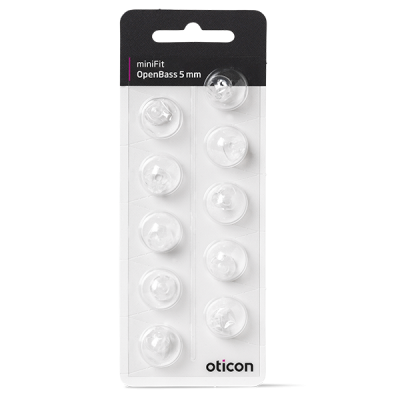
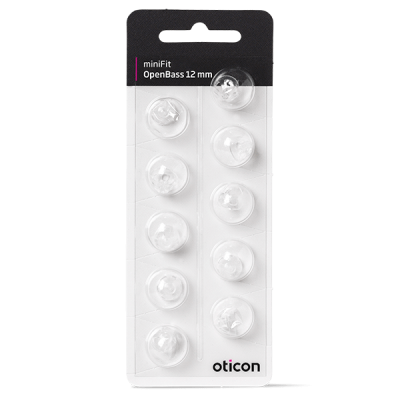
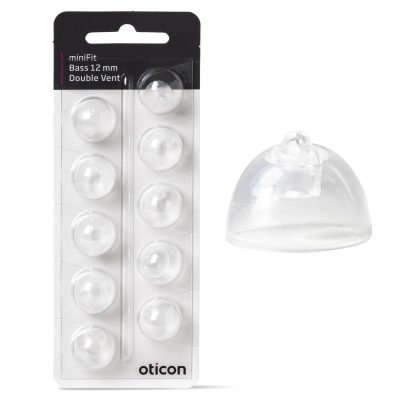
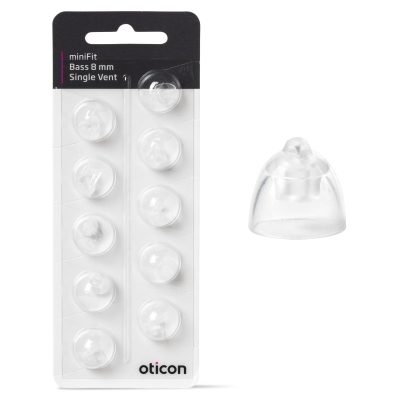
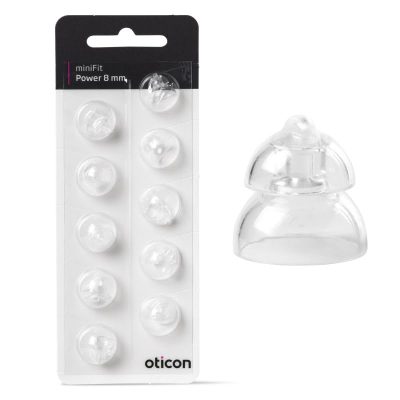
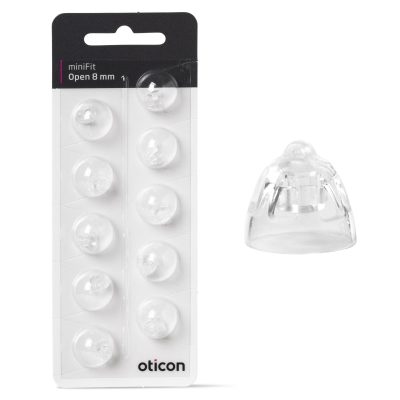
Domes for Oticon Siya miniRITE
Domes are the most frequently replaced part. The right dome helps keep the receiver stable and can reduce whistling (feedback) and improve sound balance.
Common Oticon dome styles include:
Open domes – airy feel; often preferred if you want minimal occlusion and more natural airflow.
Closed domes – a bit more seal; can help if sound feels thin or feedback occurs.
Power domes – stronger seal; often used when more amplification is needed.
How to pick the right dome: match both the style (open/closed/power) and the diameter (size). If you’re happy with your current sound and comfort, replacing with the same type and size is usually best.
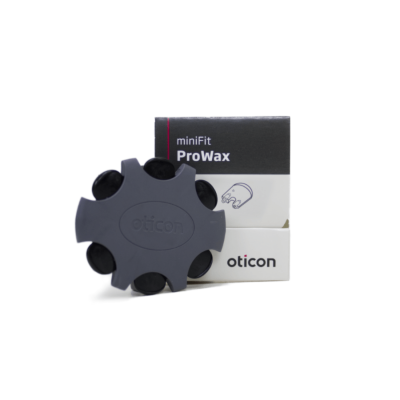
Wax filters (wax guards) for Oticon Siya miniRITE
Wax filters prevent earwax from entering the receiver. A clogged wax filter is one of the most common reasons for weak sound, intermittent sound, or no sound.
How to choose the correct wax filter: Oticon uses different wax filter systems depending on the receiver and the dome/receiver tip setup. The safest approach is to:
Check the packaging from your current filters (name/type), or
Compare the filter tool shape and the filter size to what you currently use, or
Identify your receiver type first, then choose the matching wax guard.
If you’re unsure, don’t guess—using the wrong wax filter may not fit properly and can reduce protection.
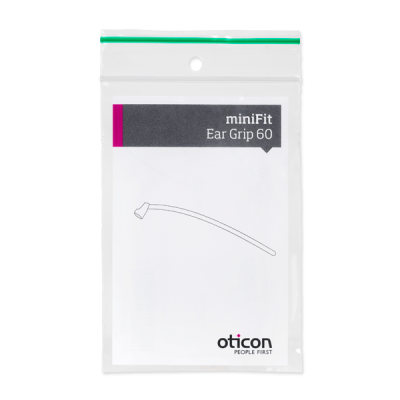
Receivers for Oticon Siya miniRITE
The receiver must match:
Connection/platform used by your Siya miniRITE
Power level (e.g., different strength ratings)
Wire length (fit around the ear)
Left vs right side
When to replace a receiver: persistent distortion, crackling, repeated dropouts even after changing wax filters and domes, or a receiver that has been exposed to moisture.
How to confirm compatibility (so you buy the right part)
Before purchasing accessories for Oticon Siya miniRITE, use these quick checks:
Look at your current parts: the easiest match is replacing like-for-like (same dome style/size and same wax filter type).
Check markings on the receiver wire: many receivers have tiny markings for side (L/R), length, and power level.
Use your fitting paperwork (if available): it often lists dome type and receiver specification.
Ask for support if uncertain: a correct match avoids returns and prevents performance problems.
Common Oticon Siya miniRITE problems and the accessory fix
Sound is weak or muted: replace the wax filter first; then check the dome for blockage.
Whistling (feedback): try a fresh dome, or consider a slightly more closed dome style/size (only if recommended for your fitting).
Dome keeps slipping off or feels loose: replace the dome and confirm the correct diameter.
Crackling/intermittent sound: change wax filter; if it persists, the receiver may need replacement.
Itchy or uncomfortable fit: a different dome style (open vs closed) or size may help.
When and how often should you replace parts?
Domes: typically every 4–12 weeks (or sooner if they harden, discolor, or loosen).
Wax filters: as soon as sound reduces or routinely every few weeks depending on earwax.
Receivers: only when faulty; they’re not considered a frequent consumable like domes/filters.
Buy Oticon Siya miniRITE accessories at Japebo
Japebo stocks hearing aid accessories designed to help you keep your Oticon Siya miniRITE performing as it should. If you want the safest purchase experience, match your replacement part to what you already use (same type), or identify your receiver specification first and then select the compatible dome and wax filter system.
If you’re in doubt about which accessory fits your exact Siya miniRITE setup, choose the option you currently have—or contact support with a photo of your receiver and current consumables for a quick compatibility check.
FAQ: Oticon Siya miniRITE accessories
Are all Oticon miniRITE domes compatible with Siya miniRITE?
Not always. Dome compatibility depends on the receiver platform and attachment style. If your current dome fits securely on your receiver, replacing with the same dome family and size is the safest choice.
Which wax filters fit Oticon Siya miniRITE?
It depends on the receiver/tip system you have. Use the same wax filter type you currently use, or identify your receiver type first and then select the matching wax guard.
How do I know my receiver length and side?
Receivers are typically labeled for left/right and often include a length number. If you can’t find the marking, your fitter paperwork or a photo comparison can help.
My sound is still weak after changing the wax filter—what next?
Check that the dome and receiver opening are clear and that the dome is seated correctly. If the issue continues, the receiver may be damaged and need replacement.
Can I change dome type (open to closed) on Oticon Siya miniRITE?
Sometimes, but changing dome type changes acoustics and may affect sound and feedback settings. If you’re considering a different dome style, it’s best to follow your hearing care professional’s recommendation.