
Waxguards for Oticon Ria2 miniRITE
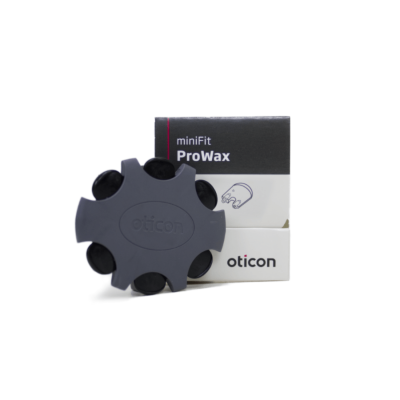
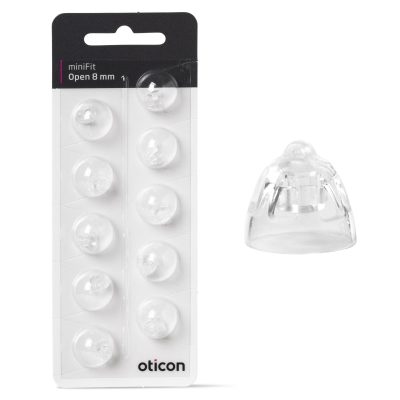
Domes for Oticon Ria2 miniRITE
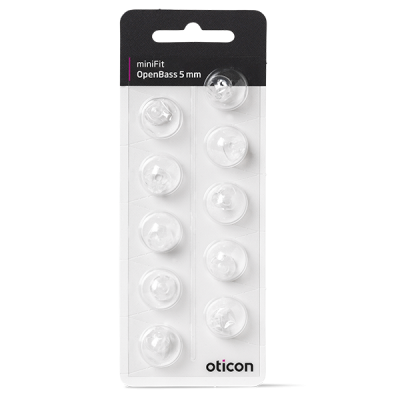
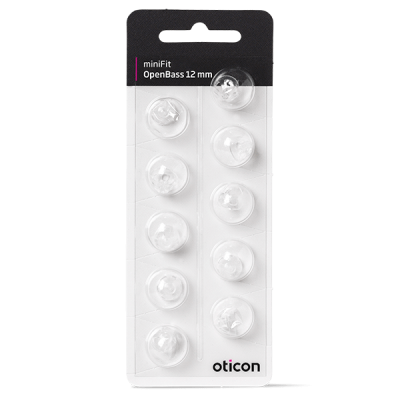
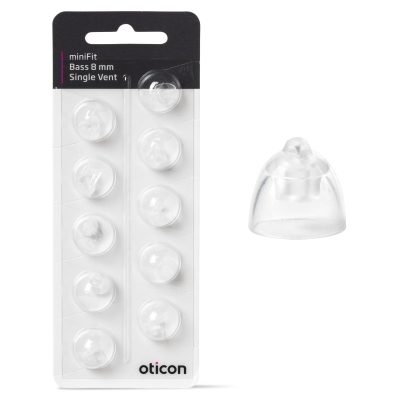
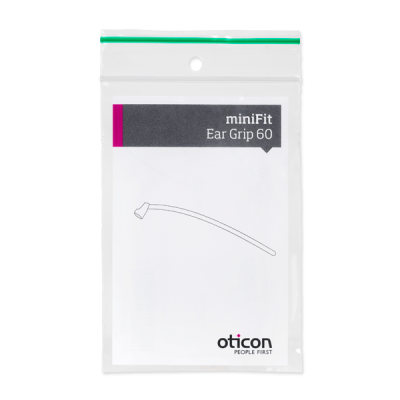
Ear Grips for Oticon Ria2 miniRITE
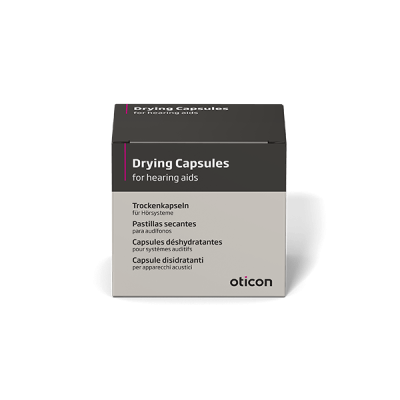
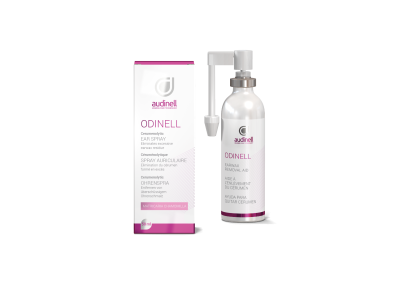
Maintenance for Oticon Ria2 miniRITE

Oticon Ria2 miniRITE
Oticon Ria2 miniRITE Accessories & Compatibility Guide | Japebo
If you’re looking for Oticon Ria2 miniRITE accessories, the important part is compatibility: Ria2 miniRITE uses specific receiver (speaker) and ear-piece parts, and choosing the wrong type can lead to poor fit, feedback (whistling), or weak sound. This guide explains what typically fits the Oticon Ria2 miniRITE, how to identify what you have, and how to choose the correct replacement accessories before you buy.
What is the Oticon Ria2 miniRITE (and why accessories matter)?
The Oticon Ria2 miniRITE is a receiver-in-the-ear (RITE / RIC) hearing aid. That means the speaker sits in your ear canal (as a receiver) and is connected to the hearing aid by a thin wire. Most day-to-day replacements are parts attached to the receiver: domes (ear tips) and wax protection (wax filters/guards). In some cases, the receiver wire itself is replaced (for example if the sound cuts out intermittently).
Accessories that are commonly used with Oticon Ria2 miniRITE
Below are the accessory categories most users replace over time. The exact type depends on your receiver and ear-piece setup.
Domes (ear tips)
Domes create comfort and provide the right amount of openness/seal in the ear canal. If you experience whistling, a loose fit, or reduced bass, the dome type/size is often the cause.
Wax filters / wax guards
Wax protection stops earwax from entering the receiver. A blocked wax filter can cause sound to become weak, muffled, or disappear. Replacing the wax protection is one of the most common fixes for “no sound”.
Receivers (speaker units)
If the sound cuts in and out, is distorted, or only works when you move the wire, the receiver may need replacement. Receivers come in different lengths (how long the wire is) and sometimes different power levels. Matching the type is essential for comfort and correct sound.
Batteries
Ria2 miniRITE models typically use a disposable hearing-aid battery size. Your exact size is best confirmed by checking the marking on the battery door, your current battery packaging, or your fitting paperwork. Using the correct size ensures proper door closure and stable power.
Cleaning and care items
Regular cleaning helps prevent wax and moisture issues. Cleaning tools and drying solutions can extend the life of the receiver and reduce outages.
How to choose the correct Oticon Ria2 miniRITE accessories
Use these steps to avoid ordering the wrong parts.
1) Identify your ear-piece setup (dome vs. custom mould)
If you use a dome, you’ll replace domes and wax protection routinely. If you use a custom mould, the wax protection may be different, and the mould itself is not interchangeable with domes. If you are unsure, compare your ear-piece to your other side (if you have two aids) or look for any model/reference text on the mould.
2) Check the receiver information (length and type)
Receiver wires often have small markings indicating length (and sometimes side). If you can’t find markings, compare the wire length to what you already wear: the correct one should sit comfortably behind the ear without pulling, and the receiver should rest securely in the canal.
3) Choose the right dome type and size
As a rule of thumb:
Open domes feel more ventilated and can reduce the “plugged” feeling, but may increase the chance of feedback if they’re too small.
Closed domes seal more and can improve bass and stability, but may feel less open.
Power domes seal the most and are typically used when more amplification is needed.
Size matters as much as type. If a dome slips out or whistles, try one size up. If it feels sore or too tight, try one size down.
4) Match the wax protection to your receiver
Oticon has used different wax protection systems across models and receiver generations. The safest way to match wax filters is to identify the exact wax guard you currently use (shape, color, and tool style) and replace like-for-like. If you’ve never changed it before, check your user kit or ask your hearing care professional which wax protection your receiver uses.
Common Oticon Ria2 miniRITE problems (and the accessory that usually fixes them)
No sound or very weak sound
Most commonly caused by a blocked wax filter or debris in the dome. Replace the wax protection and dome first. If the issue persists, the receiver may be faulty.
Whistling / feedback
Often caused by a dome that’s too small, worn out, or not seated properly. Try a new dome, consider a more closed style, and ensure the receiver sits fully in the canal.
Sound cuts in and out
This is frequently a sign of a failing receiver wire/unit or moisture. If changing the wax filter doesn’t help, receiver replacement is often the next step.
It feels uncomfortable
Try a different dome size or type. A poor fit can also happen if the receiver length is wrong (too short pulls; too long can feel unstable).
Buy Oticon Ria2 miniRITE accessories online
When you order replacement parts, focus on matching what you already use: receiver type/length, dome style/size, and the correct wax protection system. If you want to double-check before purchasing, compare your current parts to the product photos and descriptions, or use your hearing aid paperwork to confirm specifications.
FAQ: Oticon Ria2 miniRITE accessories
Are all Oticon miniRITE accessories interchangeable?
No. “miniRITE” describes the style, but accessories (especially receivers and wax protection) can differ by receiver generation and system. Always match the exact type you currently have.
How often should I change domes and wax filters?
Domes are typically replaced when they harden, discolor, or lose grip (often every few weeks to months depending on wear). Wax protection is replaced whenever blocked, and many users change it regularly as preventive maintenance.
How do I know which receiver length I need?
Use the length marking on your existing receiver if available, or match the fit of your current wire. The correct length sits naturally behind the ear without tension and keeps the receiver stable in the canal.
My hearing aid uses a custom mould—can I still use domes?
Usually no; domes and custom moulds are different ear-piece solutions. If you want to switch, consult a hearing care professional to ensure the acoustic setup remains correct.
Can a blocked wax filter look “clean”?
Yes. Wax and moisture can block the filter internally. If you have weak sound, replacing the wax protection is a good first step even if it doesn’t look dirty.