
Oticon More RITE series – Compatibility & accessory guide | Japebo
If you use an Oticon More RITE series hearing aid, choosing the right accessories is mostly about one thing: compatibility. Domes, receivers, retention locks and wax protection parts are not universal—even within Oticon—and the wrong choice can affect comfort, sound quality, and feedback performance. This guide explains how Oticon More RITE series accessories typically fit together, what to check before you buy, and how to identify the correct parts for your exact setup.
What “RITE” means for Oticon More accessories
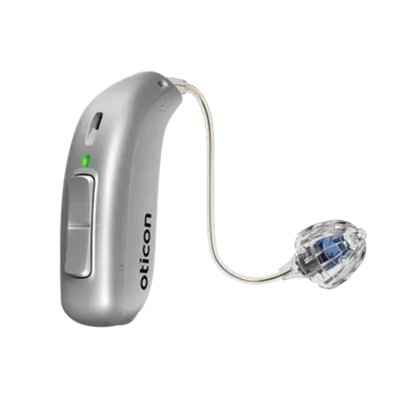
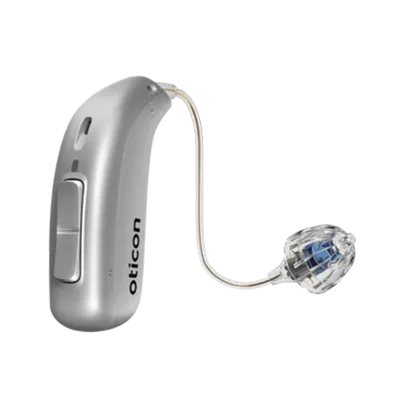
RITE (Receiver-In-The-Ear) means the speaker/receiver sits in your ear canal while the hearing aid body sits behind the ear. Because the receiver is a separate part, Oticon More RITE series users usually replace or change:
Domes (the ear-tip style/size that affects comfort and sound)
Wax protection (to prevent earwax from blocking the receiver sound outlet)
Receivers (if the wire breaks, sound is weak/intermittent, or as a service replacement)
Retention locks / sports locks (to improve stability in the ear)
The exact compatible options depend on the receiver type and the coupling (dome or custom mould) used with your Oticon More RITE series hearing aid.
How to confirm compatibility for Oticon More RITE series
Before selecting accessories for Oticon More RITE series, check these three points—this will prevent most wrong purchases:
Receiver platform/type: Oticon uses specific receiver families, and accessories must match the receiver’s connection and outlet style.
Receiver strength & cable length: Often marked on the receiver (e.g., power level) and the wire length (commonly a number). These details matter when replacing a receiver.
Dome interface: Domes must fit the receiver’s sound outlet shape/size.
If you’re unsure, look for printing on the receiver itself (small text/marks on the plastic housing near where the wire meets the receiver) and compare it to your current parts. When in doubt, match what you already use or contact support with a clear photo of the receiver and dome connection.
Oticon More RITE series domes: types and how to choose
Domes influence comfort, retention, and how much low-frequency sound you keep (bass) versus how open the ear feels. The “best” Oticon More RITE dome is the one that fits securely and provides the sound your hearing care professional programmed for.
Common dome styles (what they’re for)
Open domes: A more ventilated feel; often used when you need airflow and a more natural perception of your own voice.
Closed / tulip-style domes: More “seal” than open domes; can help with feedback control and improve bass response.
Power domes: The most sealing option among domes; often used when more amplification is needed and feedback must be controlled.
How to pick the right size
Size affects both comfort and acoustics. If the dome feels loose or whistles (feedback), you may need a larger size or a more closed style. If it feels tight, causes soreness, or “plugs” the ear too much, try a smaller size or a more open style. If your current dome works well, choose the same style and size for the safest match.
Wax protection for Oticon More RITE series: why it matters
Wax protection is a small but essential accessory for Oticon More RITE series RITE receivers. A blocked wax filter/guard is one of the most common reasons for:
Reduced or muffled sound
No sound (even though the hearing aid seems “on”)
Intermittent sound that returns after cleaning
If sound becomes weak, replace the wax protection first before assuming the receiver has failed. Always use the